
Lid and Base Rigid Box
A two-piece rigid box with lift-off opening, used when stable structure, precise fit, and consistent presentation are required for gift and retail packaging.
Also called: two piece rigid box • lift-off rigid box
Common applications: luxury packaging box • retail packaging box
200 pcs MOQ · 5-7 day samples · ISO9001 / ISO14001 / FSC / GMI certified
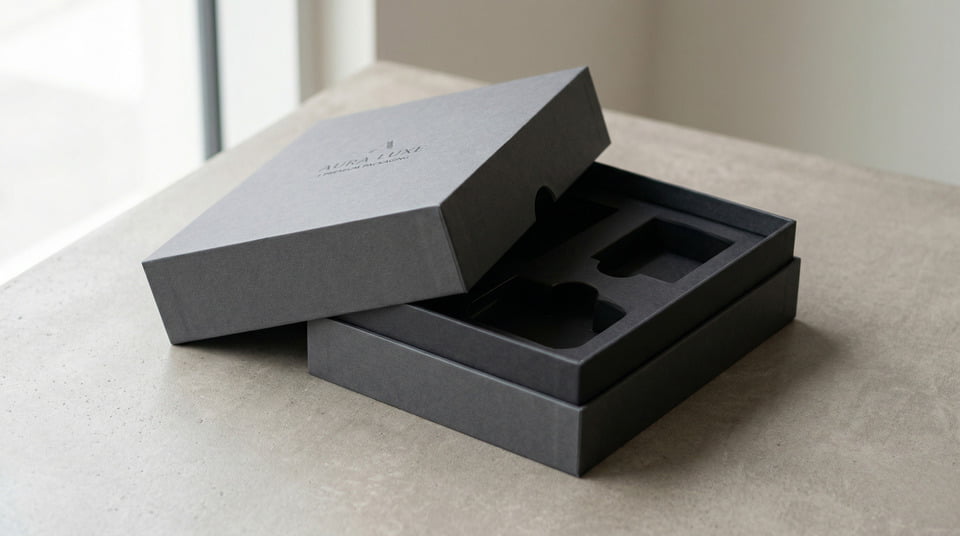
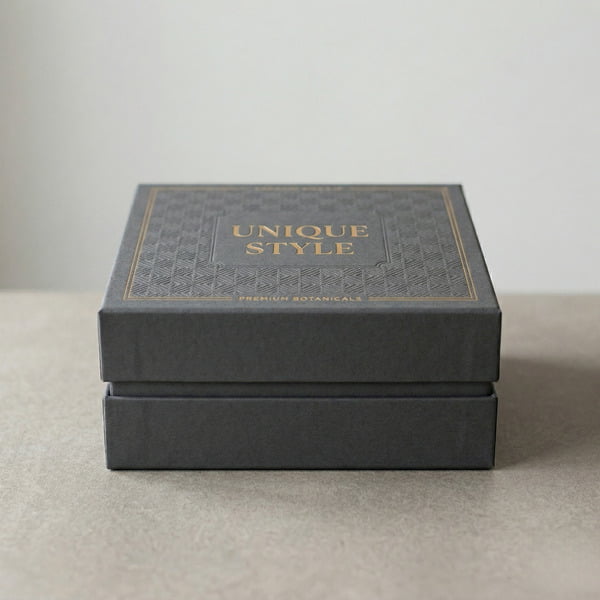
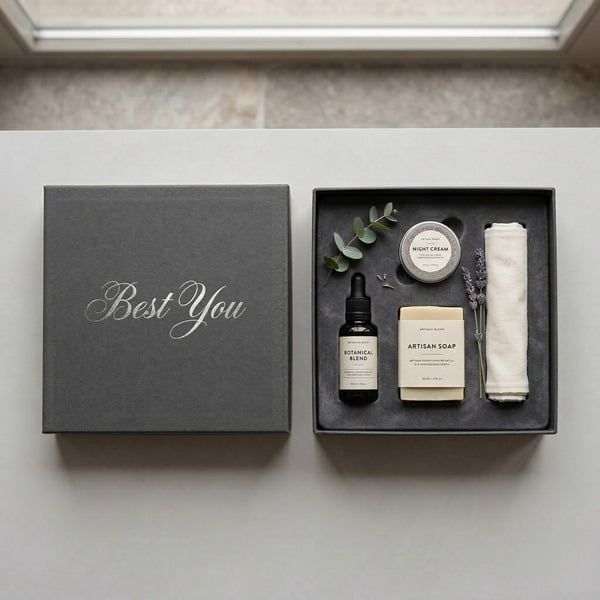
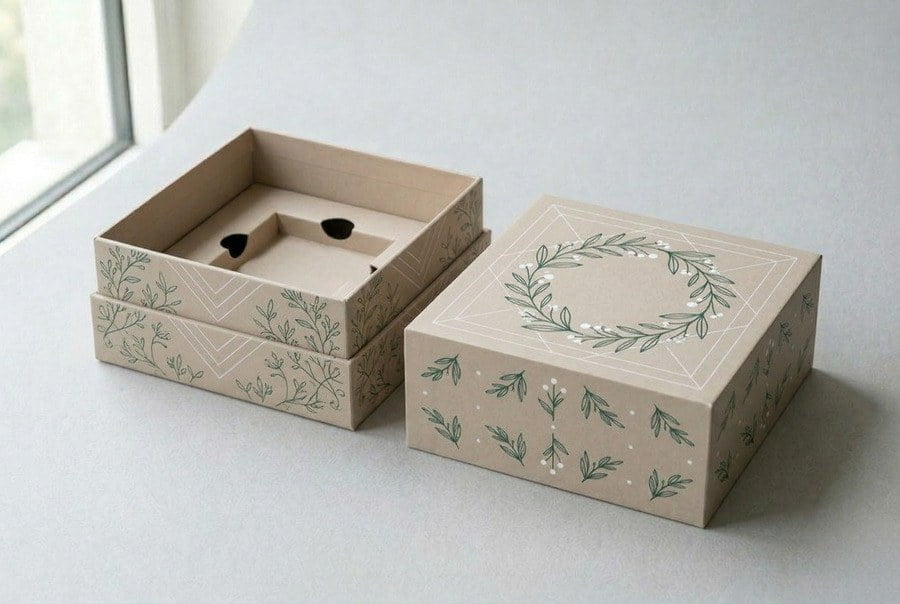
What Is Lid and Base Rigid Box
A lid and base rigid box is a two piece rigid box with a separate top lid and bottom base, sometimes including a neck (shoulder) for reinforcement or visual detailing, also known as a lift-off rigid box.
The lift-off opening creates a more controlled and formal presentation compared with drawer-style or magnetic rigid boxes.
This structure is typically selected when stable box shape, precise lid fit, and consistent presentation are required across production.
It is widely used for gift box packaging, cosmetics, electronics, and curated retail sets where product arrangement matters.
Compared with collapsible rigid boxes, it is less space-efficient in shipping, but usually has the lowest unit cost due to higher automation and production efficiency.
Why Brands Choose This Structure
Choose a lid and base rigid box when product packaging requirements, unboxing experience, and packaging cost need to be balanced in one structure.
When box shape must stay stable
Choose this structure when the box must keep a rigid shape during packing, stacking, display, or delivery.
When structure simplicity improves consistency
A simpler two-piece structure reduces variation during production, helping maintain consistent quality across large volumes.
When lower forming cost is important
This structure typically has the lowest forming cost among rigid box styles--including magnetic, collapsible, and drawer boxes--due to fewer production steps and higher output efficiency.
When inserts need precise positioning
It works well for paper, foam, or molded pulp inserts when product fit, protection, and internal layout must stay consistent.
When unboxing is part of the value
This structure is widely used when opening experience, shelf appearance, and perceived value are part of the packaging goal.
When total cost matters more than flat shipping
Collapsible boxes save space, but if freight and storage savings do not offset added forming cost, lid and base may be the better choice.
Structural Engineering
Critical engineering decisions that determine fit accuracy, structural stability, and production consistency before mass production.
Fit & Tolerance Control (Critical)
- Typical lid-base gap: 0.5-1.0 mm
- Thicker outer paper (≥180g) allows tighter control closer to 0.5 mm
Fit directly affects opening experience, assembly efficiency, and defect risk.
Lid Depth & Proportion
- Lid depth typically starts from ~25.4 mm (1 inch)
- Can extend to full cover (flush with base) depending on design
Depth impacts protection, visual balance, and perceived value.
Board Thickness & Structural Strength
- 600-800 gsm (~1.0-1.3 mm) → small boxes, lightweight products, cost-sensitive projects
- 1000-1200 gsm (~1.5-1.8 mm) → standard applications
- 1500-1800 gsm (~2.25-2.7 mm) → large size or heavier products
Thicker board improves rigidity and slightly increases tolerance range. Board selection should balance product weight, box size, and cost efficiency.
Insert Fit & Clearance
- Foam / molded pulp / corrugated inserts → ~1.0 mm clearance
- Paperboard inserts (single sheet) → ~0.5 mm clearance
Clearance depends on material formed thickness and minimum controllable production tolerance. Incorrect clearance can cause assembly issues, product movement, or lid interference.
Common Engineering Risks
- Too tight → difficult opening, potential product damage
- Too loose → lid drops, poor presentation
- Insert mismatch → pressure, instability, or assembly issues
- Box-insert tolerance mismatch → tight assembly or unstable fit in mass production
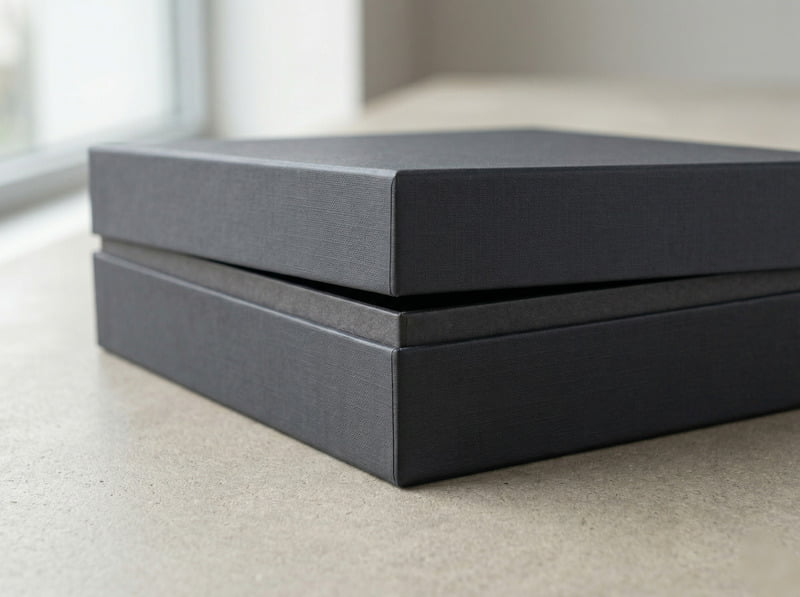
Fit & Tolerance
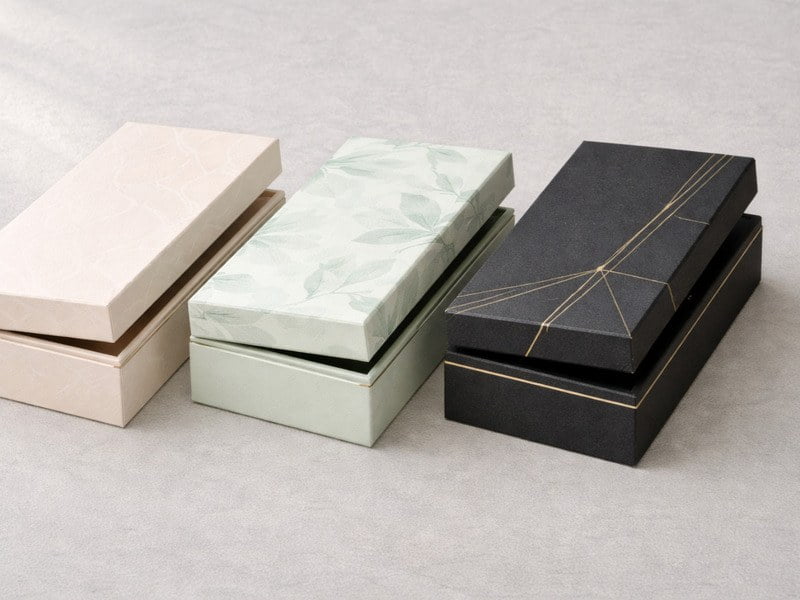
Board Thickness
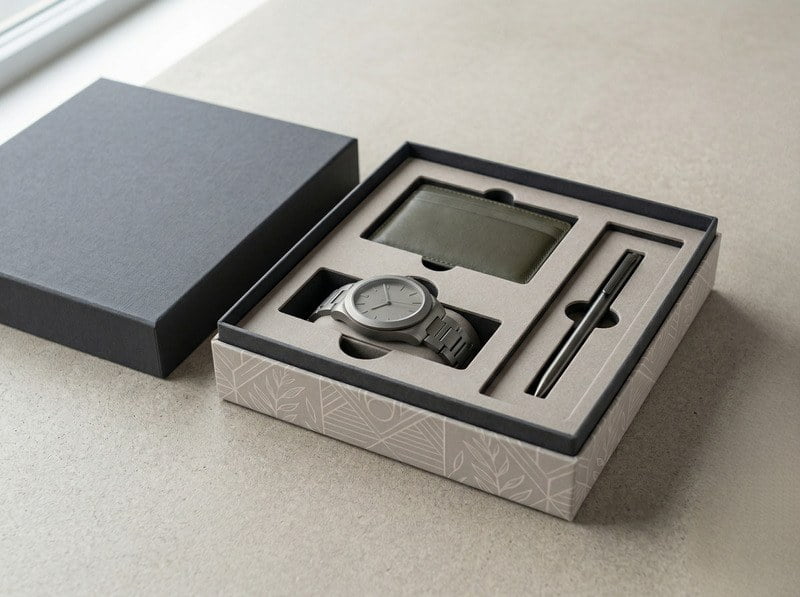
Insert Positioning
Assembly and Finishing Options
Production methods and finishing choices that directly affect cost, lead time, and production risk.
Structure Variations
- Standard lid and base (most stable and cost-efficient)
- Shoulder / neck box adds layering but increases cost and assembly steps
- Full cover vs partial lid for different protection and presentation
- Fit matters -- too loose drops, too tight affects opening experience
Production Method
- 10,000+ pcs → fully automated (best cost and consistency)
- <5,000 pcs -- typically semi-automated or manual production, especially for smaller box formats
- Added components increase assembly complexity
- Method choice impacts cost, lead time, and consistency
Surface Finishing
- OPV -- lowest cost basic protection
- Lamination -- balanced durability and appearance
- Anti-scratch / Soft-touch -- premium feel, higher cost
- Foil / Spot UV -- similar cost when used in small areas
- Embossing -- effect may be reduced after mounting, used selectively
Practical Production Insights
- More processes increase cost, lead time, and defect risk
- Dark colors and large prints show scratches and color variation more easily
- Some finishes (e.g. white or black foil) may have limited visual impact despite added cost
- Printing on brown kraft often requires a white ink base (UV printing), which can increase printing cost by about 2-4× compared to white kraft, depending mainly on layout efficiency and order quantity.
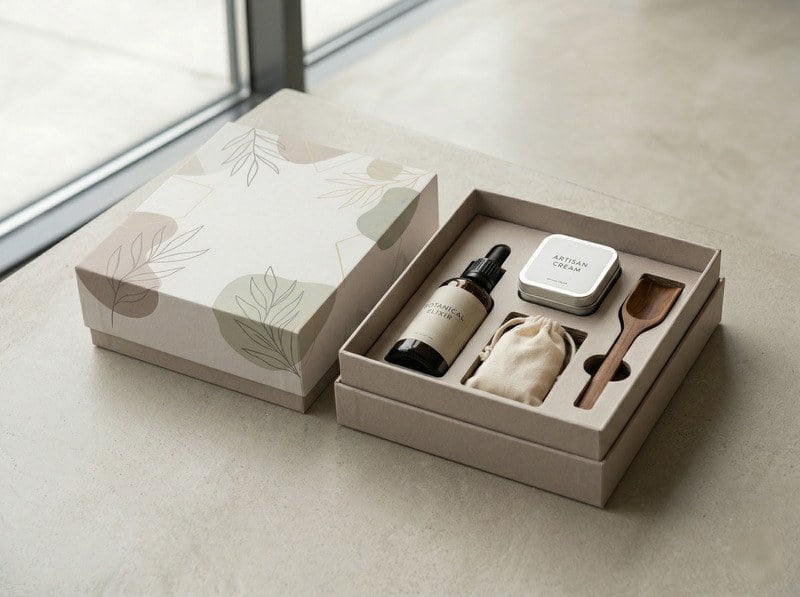
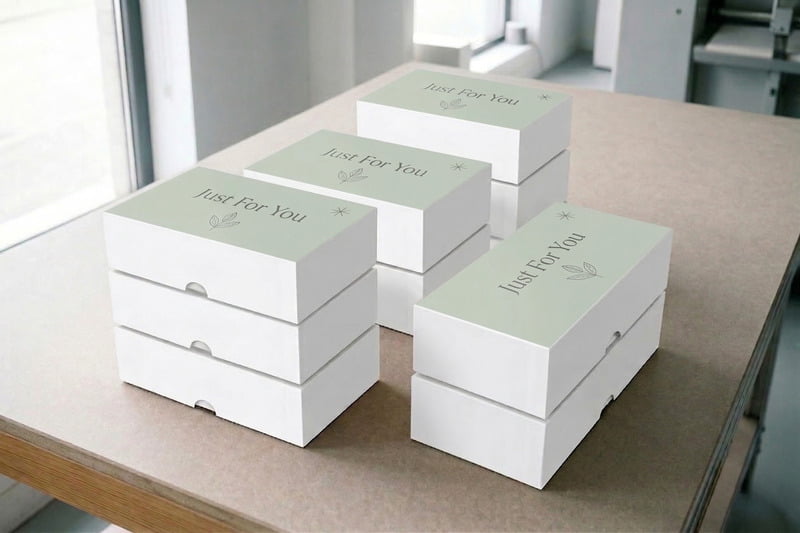
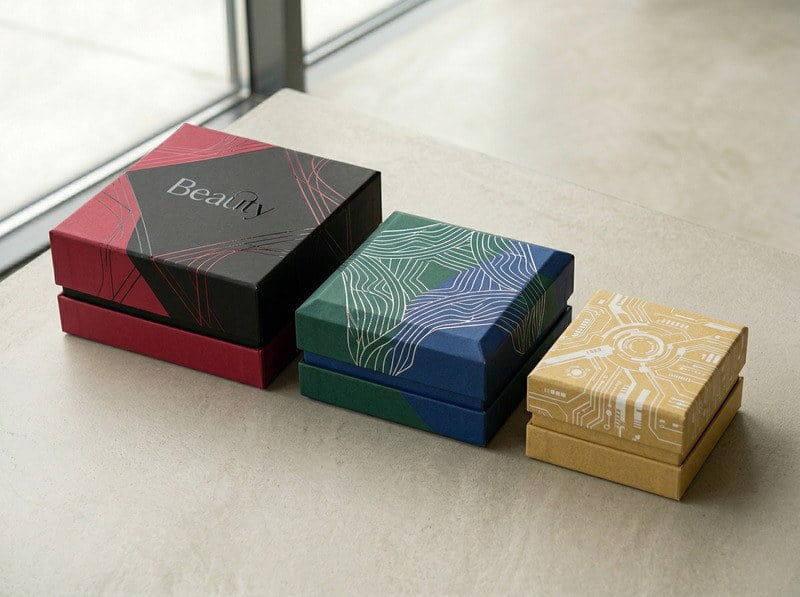
Typical Applications
A practical choice when presentation, cost, and production consistency must be balanced.

Cosmetics & Skincare Sets
Ideal for gift-style sets where presentation and a clean unboxing experience matter.
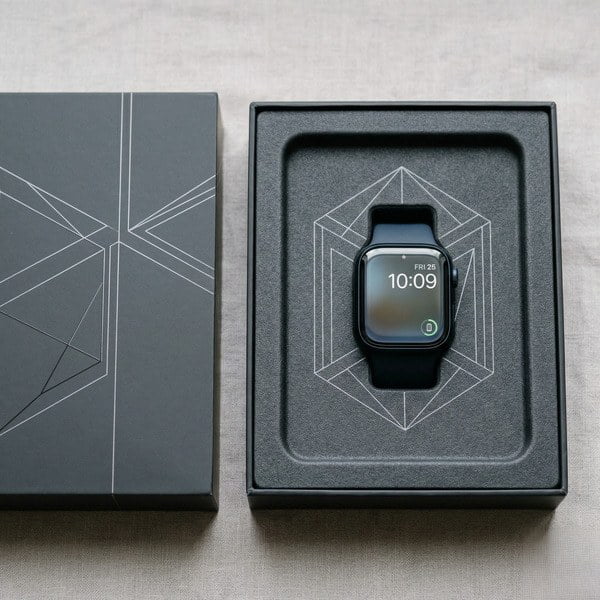
Electronics & Accessories
Suitable for products that need to stay protected and well-positioned inside the box.
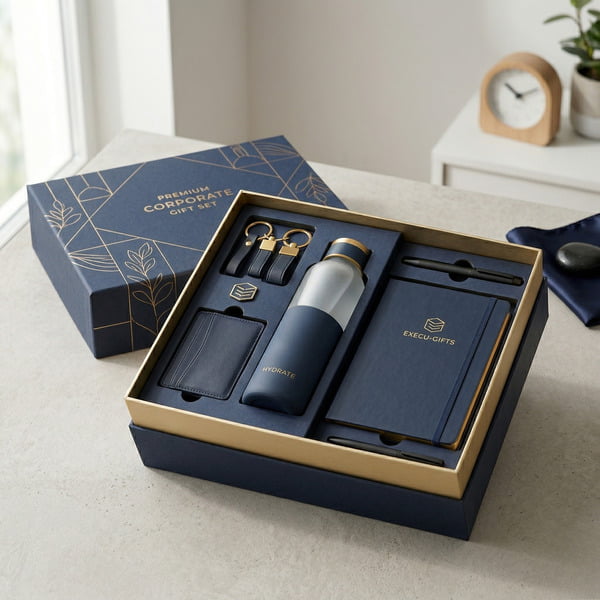
Corporate Gift Packaging
A common choice when packaging is part of the brand experience and perceived value.
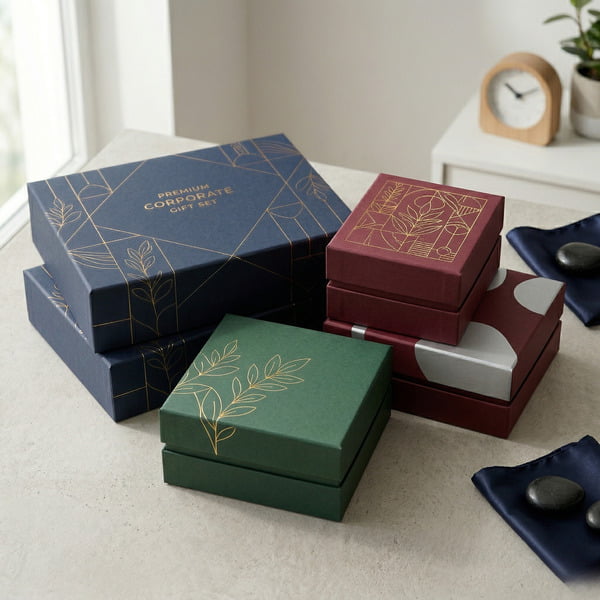
Retail Gift Sets
Works well for repeat orders where consistent appearance and cost control are important.
Sampling, MOQ, and Production Lead Time
Clear timelines, minimums, and production capacity -- so you can evaluate cost, risk, and scalability before placing an order.
Sampling Process
MOQ & Production
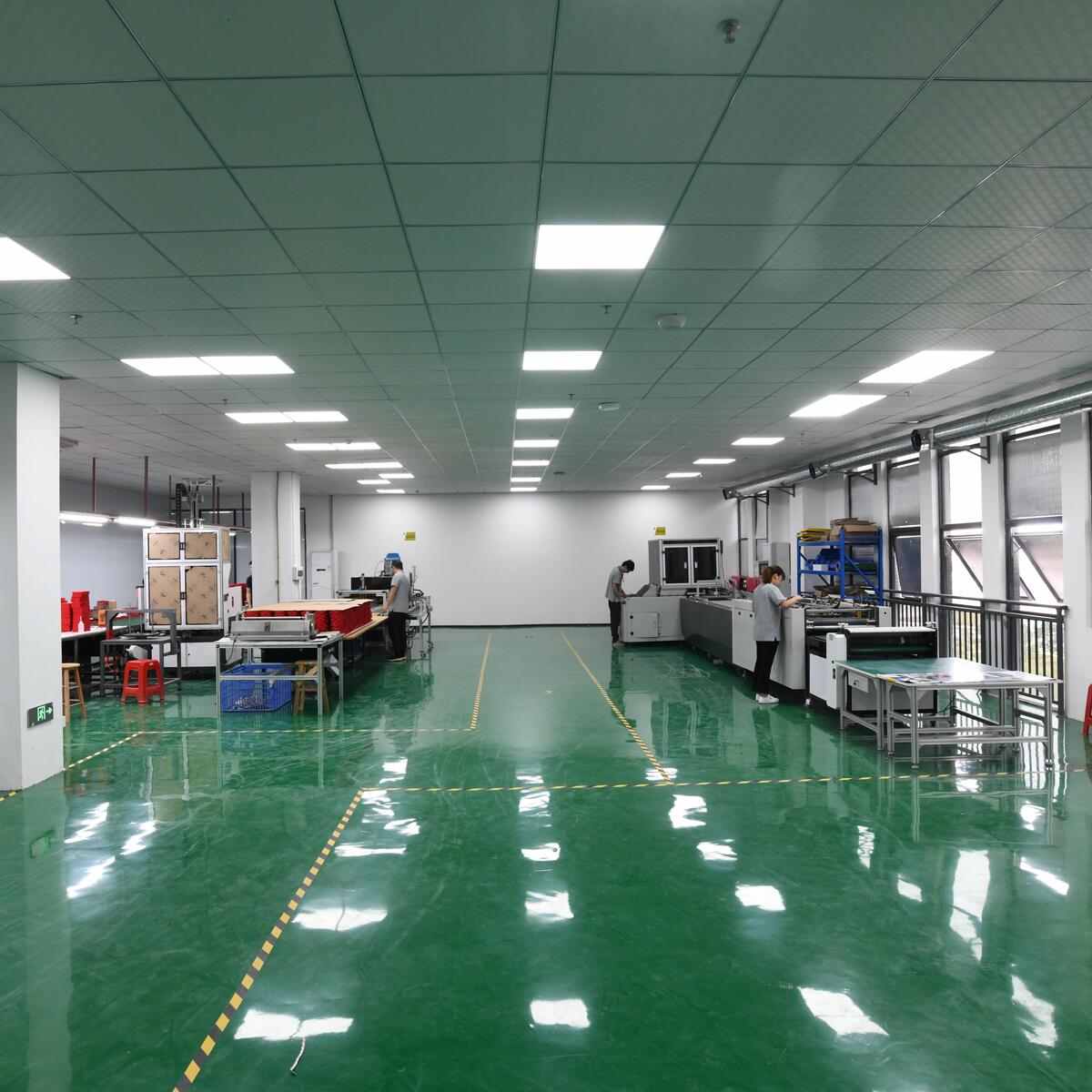
Why Brands Choose Klong Packaging
Reduce production risk, control total cost, and ensure consistent results from sampling to mass production.
Multi-Origin Production
China / Vietnam / Taiwan options help reduce tariffs, balance cost, and secure supply chain stability.
Start Small, Scale Confidently
From 200 pcs pilot runs to 100K+ production -- without changing structure or risking inconsistency.
Sampling That Solves Problems Early
DFM review + structural sampling identify fit and tolerance risks before mass production.
Consistent Fit & Finish (AQL 1.0)
Stable lid fit, alignment, and surface quality across production batches.
Market-Ready Compliance
ISO9001, FSC, GMI certified with RoHS, REACH, and POPs compliant materials for global retail requirements.
Lower Shipping Cost by Design
Structure and carton planning optimized to improve container loading and reduce landed cost.
30+ Years of Production Experience
We help avoid common production mistakes, reduce trial-and-error, and keep projects on track.
Common Questions About Lid and Base Rigid Boxes
Clear answers to help you evaluate structure, cost, and production before placing an order.
What is a lid and base rigid box?
A two-piece box with a separate lid and base, made from thick paperboard. It keeps a stable shape and offers a more premium look than folding cartons.
When should I choose a lid and base rigid box?
Choose this when you need:
- A stable, premium presentation
- Clean and consistent box shape
- Secure insert positioning
Best for small to medium box sizes where cost and structure need balance.
How is it different from a drawer box?
- Lid & base → simpler, lower cost, faster production
- Drawer box → more complex, higher cost
If cost and consistency matter, lid and base is usually the better choice.
How does it compare to folding cartons in cost and shipping?
Folding cartons are cheaper and ship flat. Rigid boxes offer:
- Better protection
- Stronger shape
- Higher perceived value
For small to medium sizes, total cost is often more competitive than expected.
What products work best with this box style?
Best for products that need:
- Strong presentation
- Stable positioning
- Clean unboxing
Common for cosmetics, electronics, and gift sets.
Can I start with a structural sample before printing?
Yes. Free structural samples in 5-7 days (no tooling). You can test size, fit, and inserts before moving to production.
Can you help adjust fit and tolerance before production?
Yes. We review lid fit, insert clearance, and material thickness during sampling to avoid issues in mass production.
What are the MOQ and lead times?
- Pilot MOQ: 200 pcs
- Typical MOQ: 500 pcs
- Sample: 5-10 days
- Production: 10-30 days
Timing depends on size, structure, finishing, and order quantity.
Do you support both small and large orders?
Yes. Start from 200 pcs and scale to 100K+ units with consistent quality.
Still unsure which structure fits your product?
Get expert packaging advice →Explore Other Rigid Box Styles
Compare box structures based on cost, shipping, and unboxing experience.
Magnetic Rigid Box
Best for premium unboxing and reusable packaging.
View Magnetic Boxes →Drawer Rigid Box
Best for controlled product reveal and structured inserts.
View Drawer Boxes →Collapsible Rigid Box
Best for reducing shipping volume and lowering landed cost.
View Collapsible Boxes →Luxury Rigid Gift Box
Best for high-end branding and strong visual impact.
View Luxury Gift Boxes →Not sure which structure to choose?
Get expert packaging advice →Not Sure Which Rigid Box Structure Fits Your Product?
We'll Help You Decide -- Before You Commit
Tell us your product, quantity, insert needs, and target market. We'll recommend the right structure, materials, and sampling plan to reduce risk and control cost.