
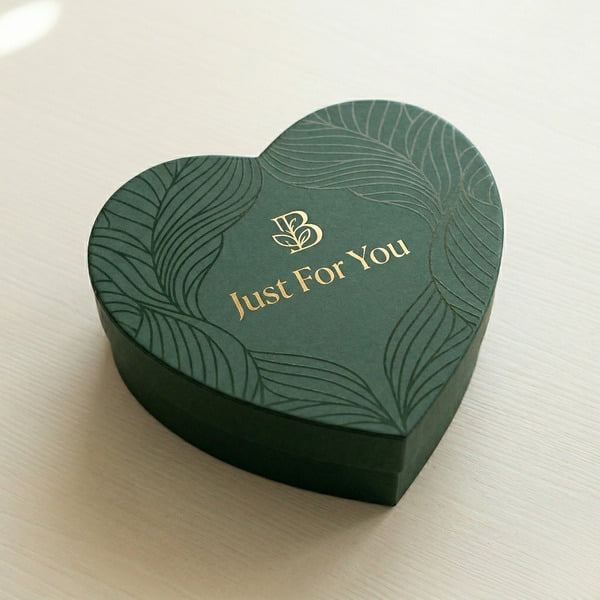
What Is a Luxury Rigid Gift Box
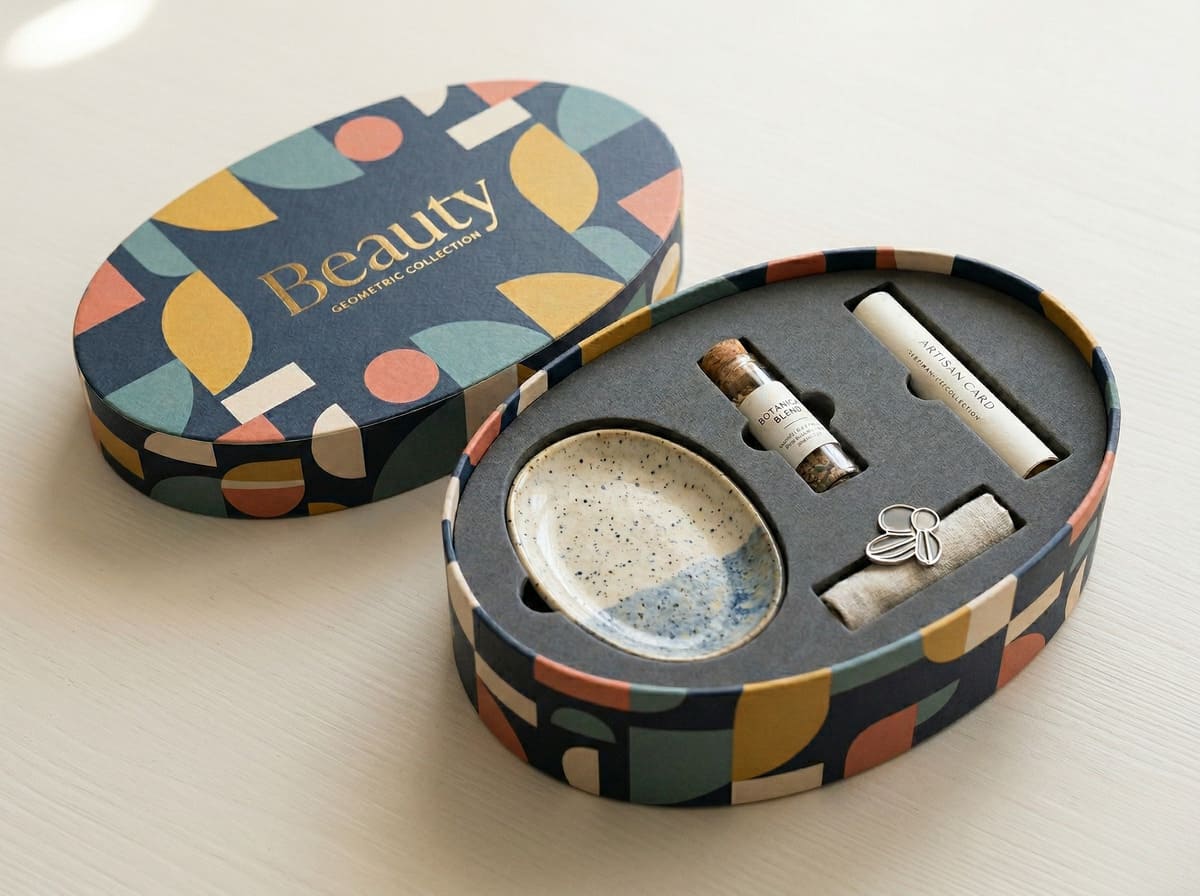
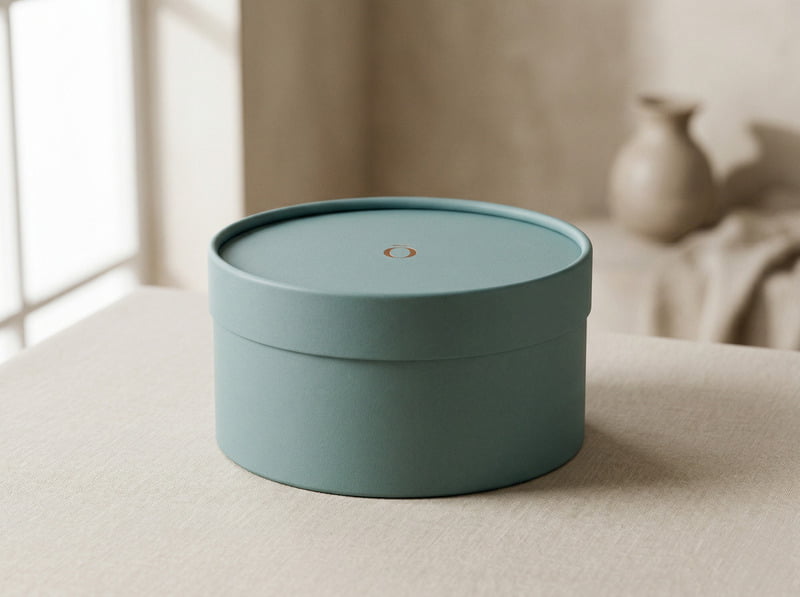
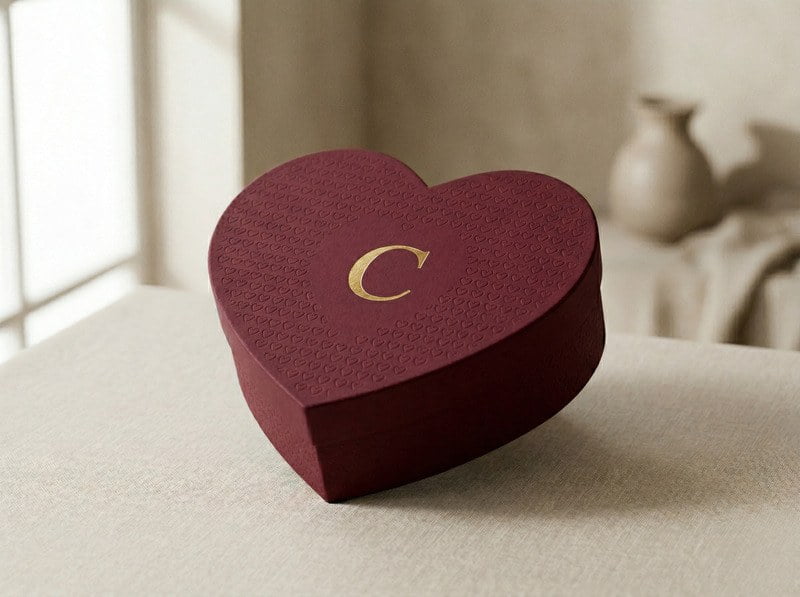
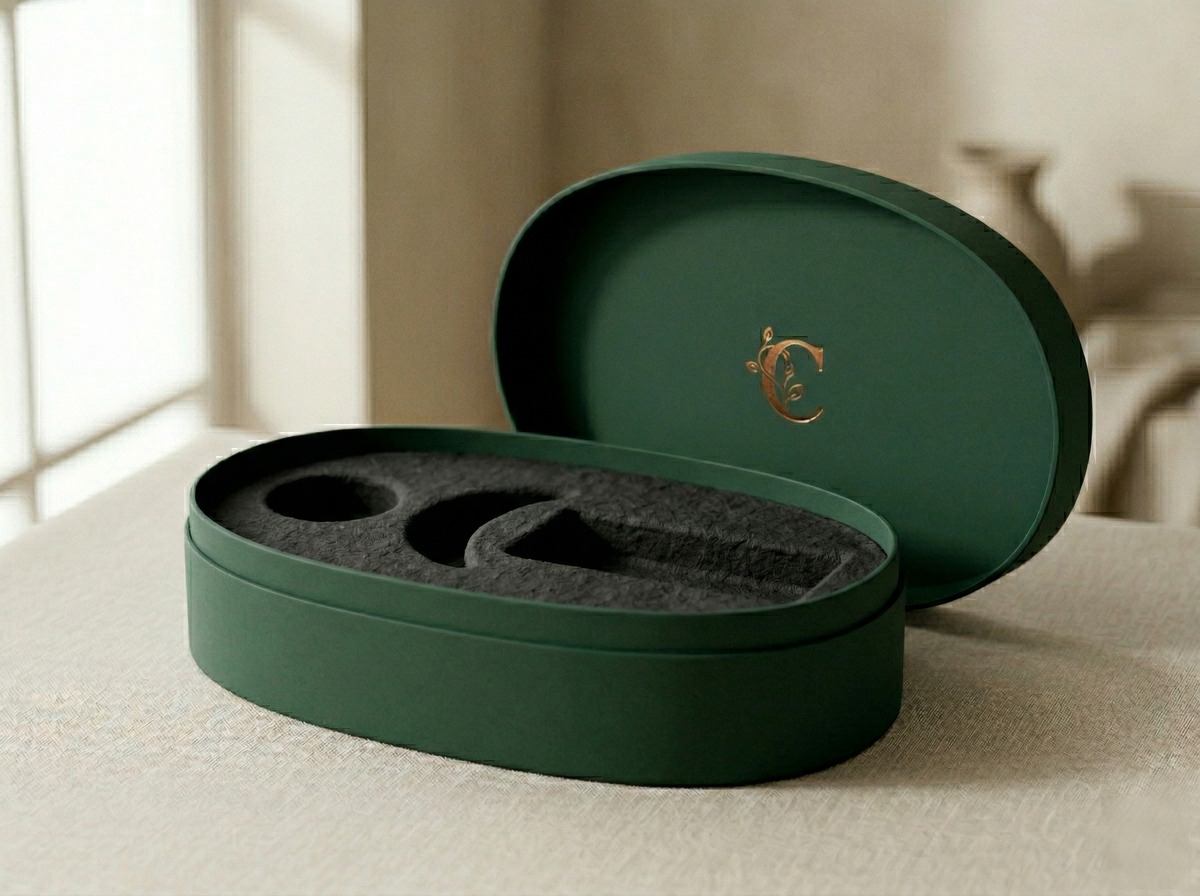
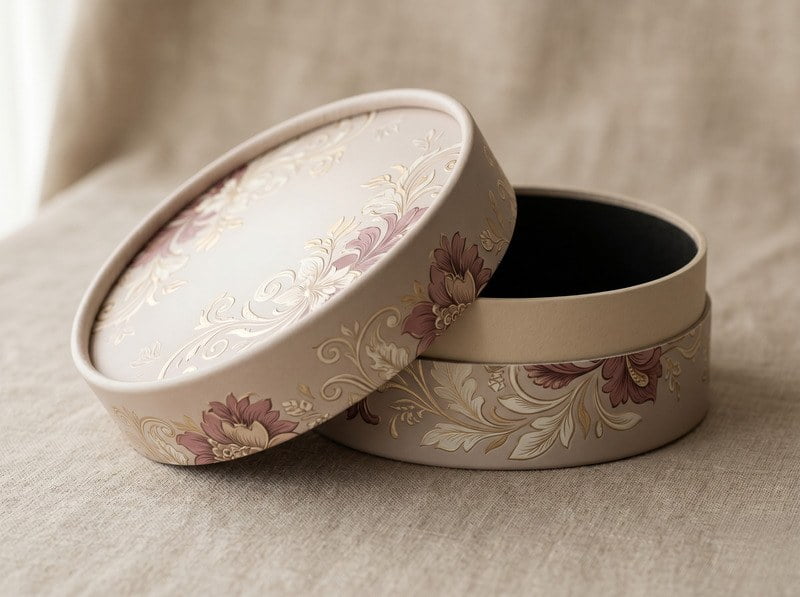
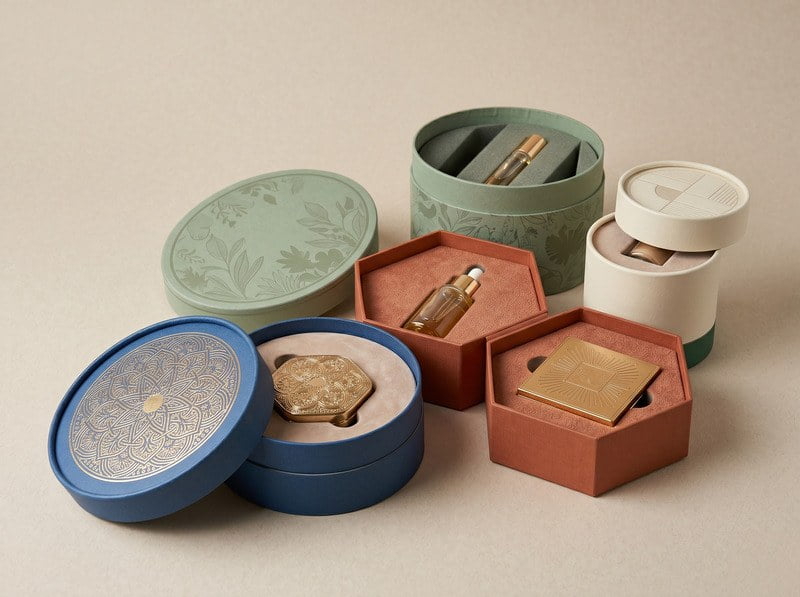
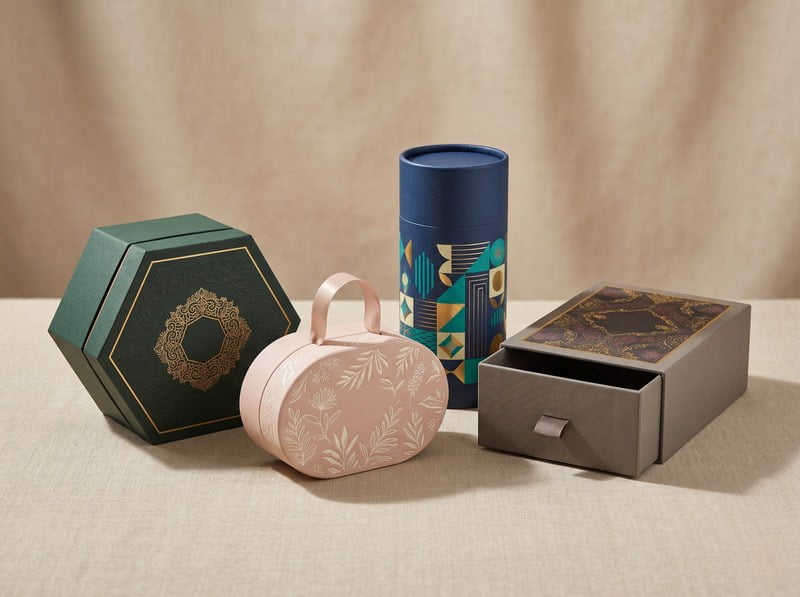
This is not a standard rigid box type. It refers to custom-shaped rigid boxes designed for special presentation and non-standard structures.
Common examples include:
- • round boxes
- • oval boxes
- • heart-shaped boxes
- • custom irregular structures
These boxes require manual forming, hand wrapping, and more assembly steps than standard rigid boxes.
Without proper structural control::
- • unstable structure
- • alignment issues
- • higher defect rate
We solve this through DFM review, structural validation, and sampling before mass production to reduce risk.
Why Brands Choose This Structure
Used when standard box designs cannot deliver enough visual impact or brand differentiation.
Use this structure when:
- you want your packaging to stand out on the shelf
- your brand needs a distinctive and memorable shape
- the box itself is part of the product experience
- you want customers to keep and reuse the packaging
What this means in production:
- higher cost than standard rigid boxes
- longer production time
- more manual work and assembly steps
If not engineered properly:
- structure may deform during shipping
- assembly may be inconsistent
- defect rate can increase
This is NOT the right choice if:
- your project is very cost-sensitive
- a standard box can already achieve your design
- you need fast and simple mass production
We help turn creative designs into reliable, manufacturable structures through DFM review, testing, and sampling before production.
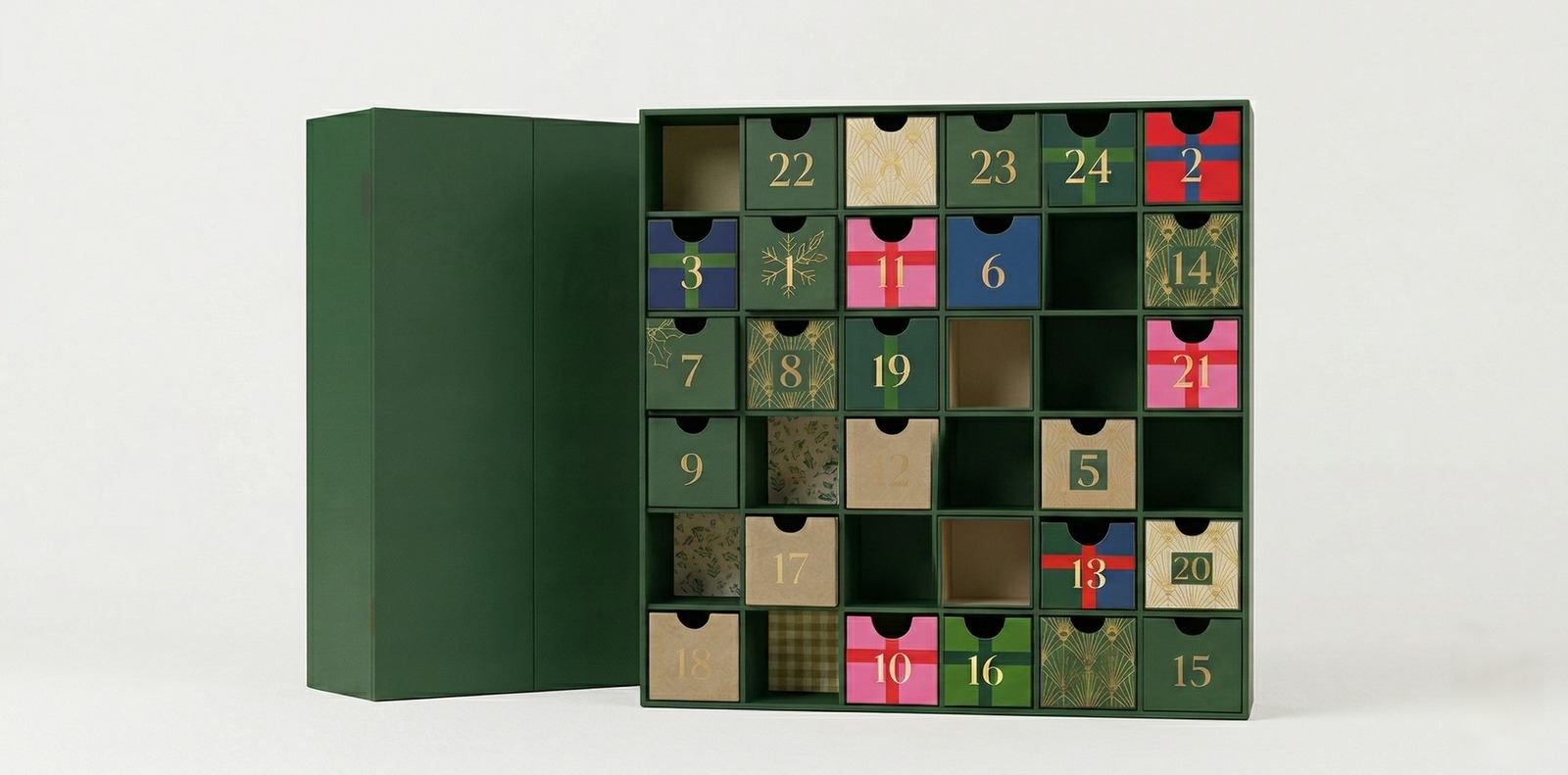
Structural Engineering
Custom-shaped rigid boxes are more difficult to produce than standard box structures.
Why this structure is difficult:
- Curved or irregular shapes are harder to wrap and align
- Manual forming introduces variation between units
- Tolerance control depends on tooling accuracy and operator skill during forming
- More forming steps increase assembly complexity
What can go wrong without proper control:
- Edges may lift or wrinkle after wrapping
- Misalignment can occur during forming and assembly
- Structure may deform during shipping
- Quality may vary across batches without strict SOP control based on approved samples
How we control it:
- DFM review to optimize structure before sampling
- Structural mockups to verify fit and assembly
- Tolerance control during die cutting and forming stages
- Step-by-step sampling before mass production
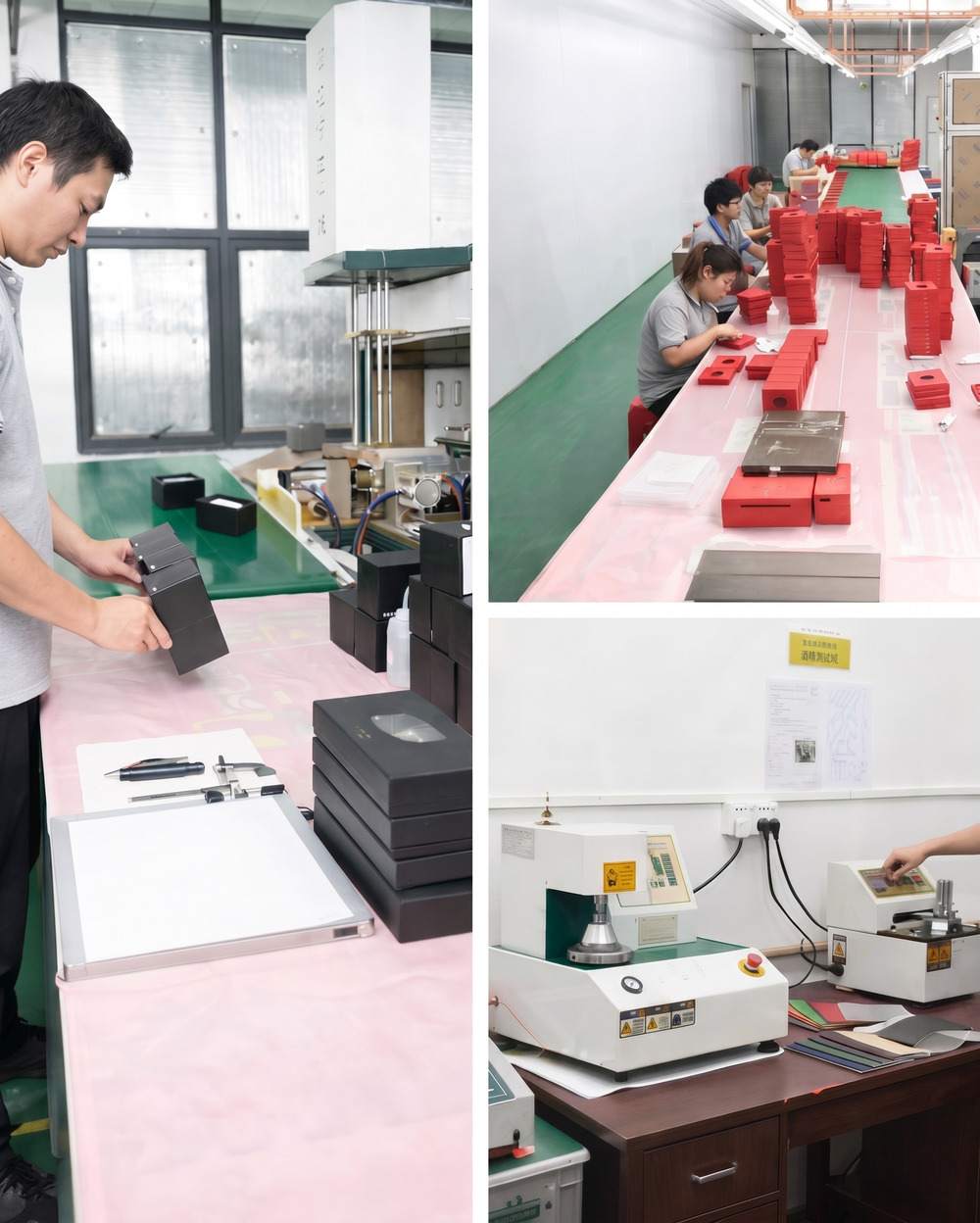
- Strict SOP execution during mass production, including incoming material check, in-line inspection, and final inspection, ensuring each step is verified before moving to the next
This ensures the structure is consistent, reliable, and ready for mass production
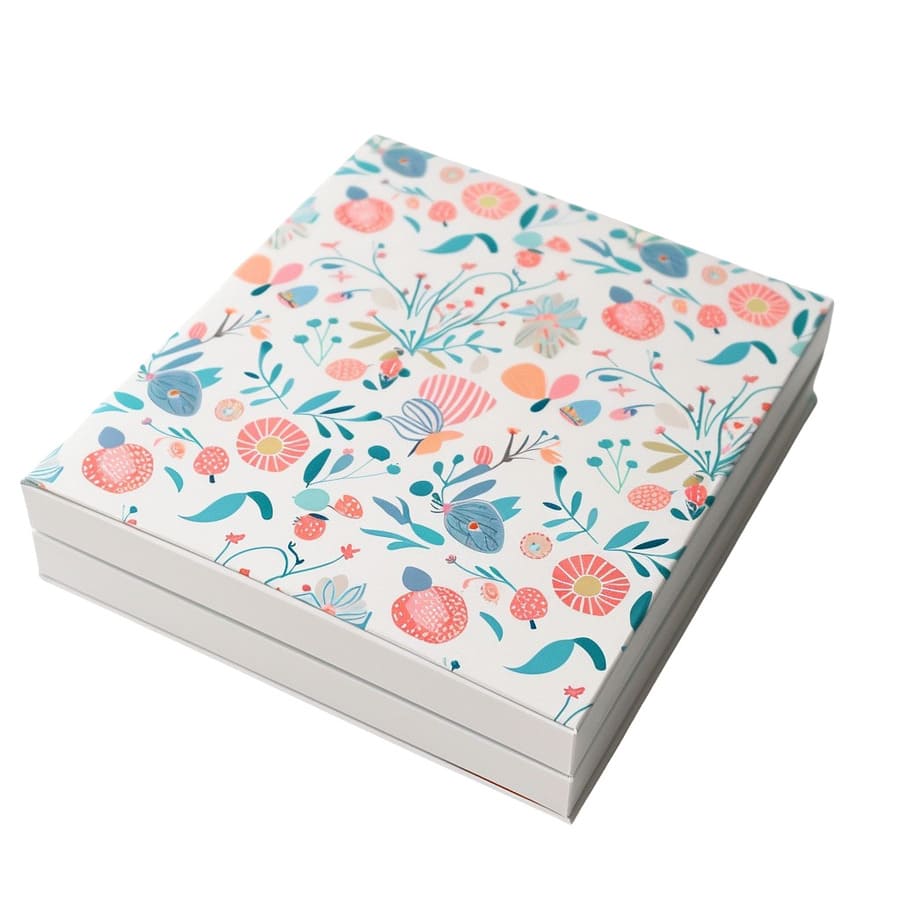
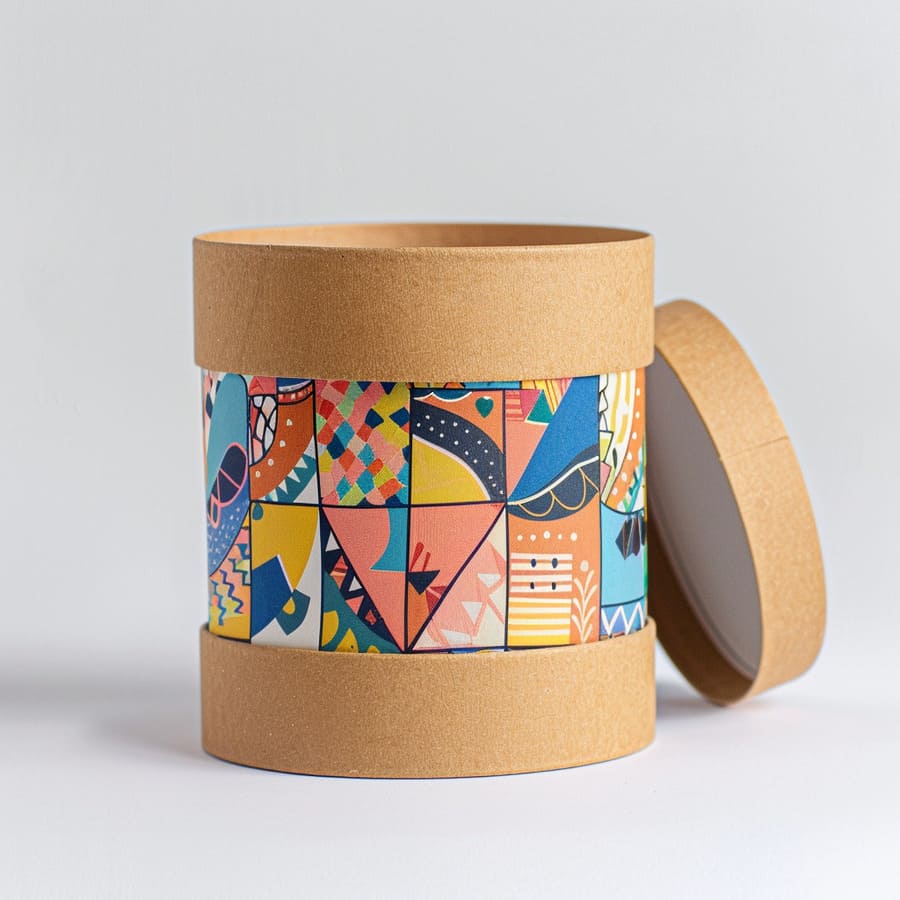
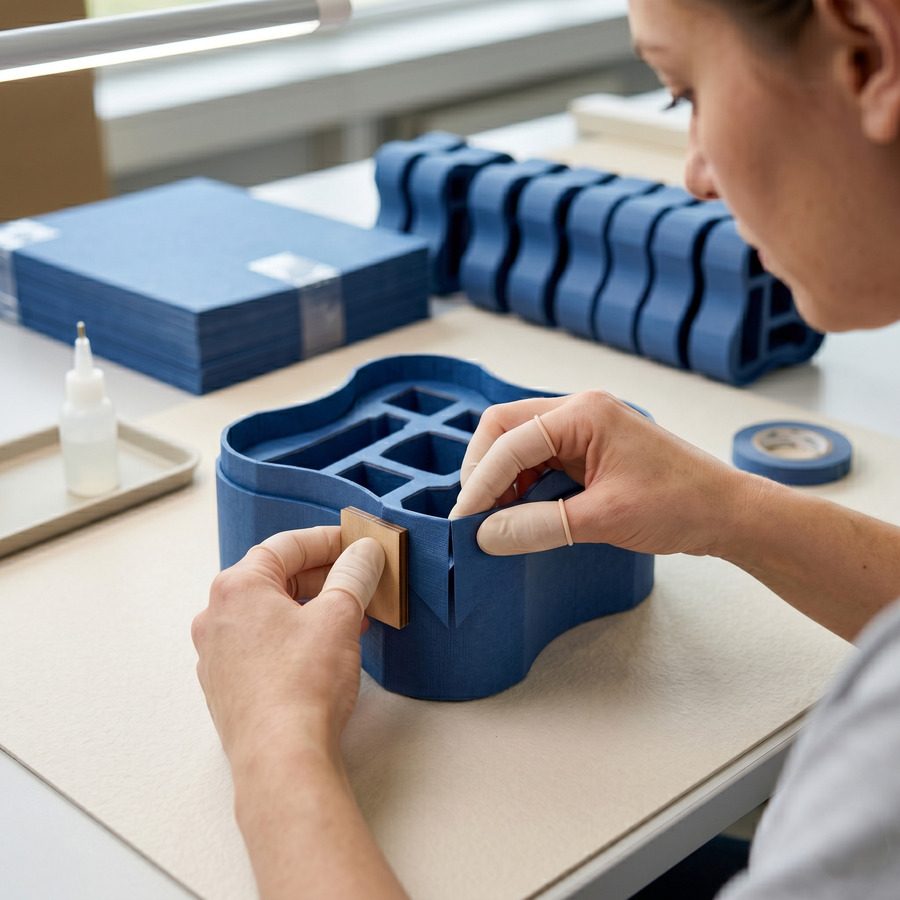
Assembly & Finishing: What Drives Cost and Quality
Production Planning for Custom Shapes
-
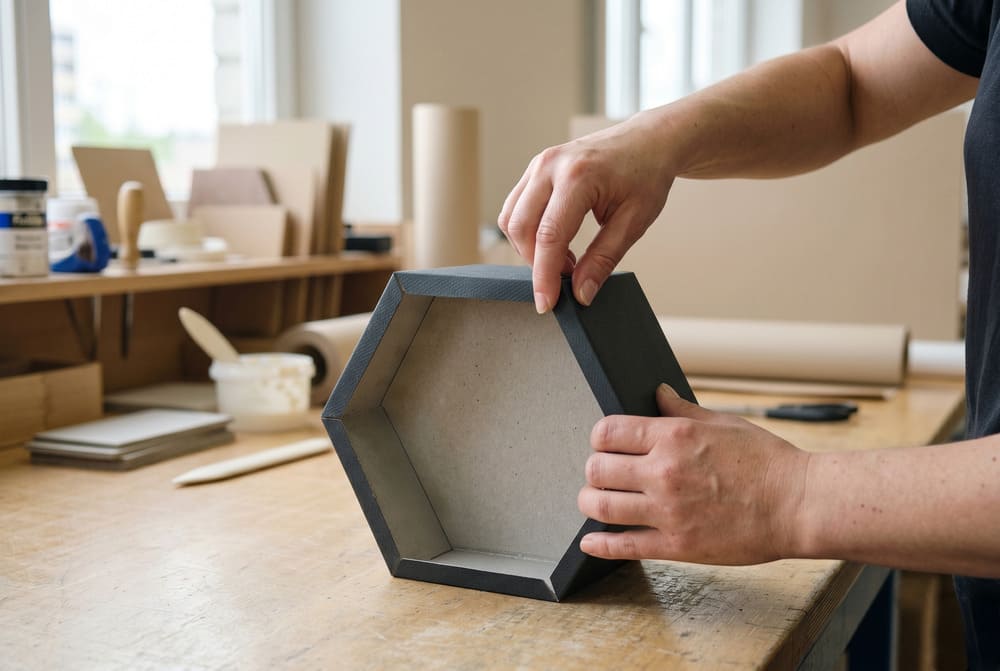
Custom-shaped boxes rely heavily on manual forming due to non-standard structures.
-
For larger volumes, more semi-automated or automated steps can be introduced without affecting the visual design, improving efficiency and reducing cost.
-
A pilot run is strongly recommended before mass production, especially for complex structures.
-
Avoid rushed timelines — custom-shaped boxes require controlled production to maintain quality.
Finishing Choices and Real Impact
-
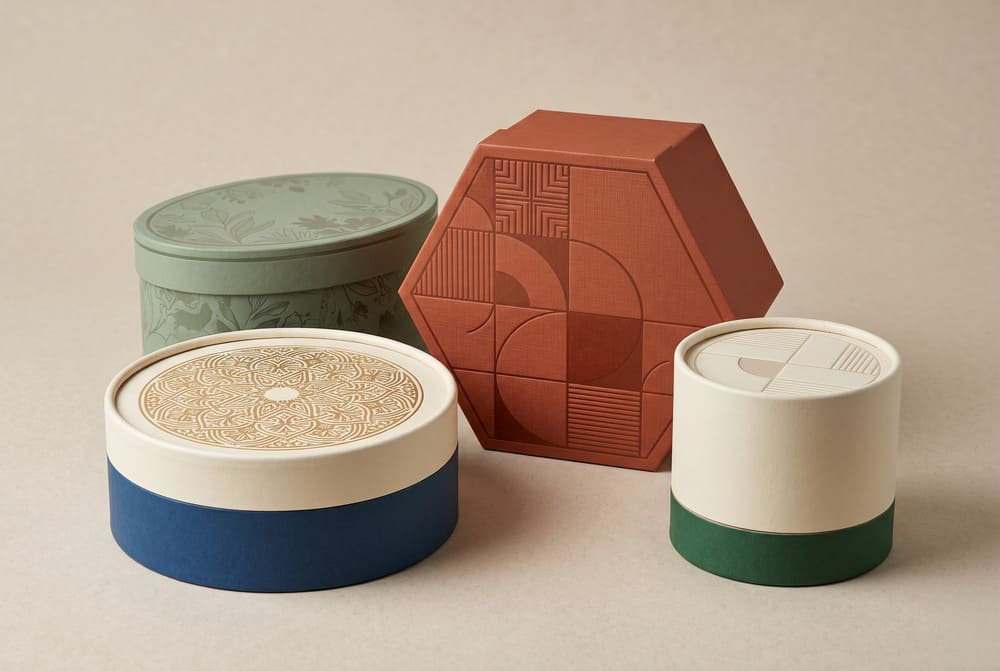
OPV and lamination provide basic protection and surface consistency.
-
For eco-friendly options, white kraft paper with printing + varnish is recommended, maintaining clean fold lines while reducing material impact.
-
Soft-touch and anti-scratch finishes enhance perceived value but increase cost.
-
Foil stamping, spot UV, embossing, and debossing should be applied selectively depending on structure and visual priority.
Practical Cost & Quality Insights
More manual steps increase cost and coordination complexity across production.
Dark colors and large solid prints are more sensitive to scratches and color variation.
Some premium finishes may deliver limited visual impact depending on material and lighting.
Finishing and material choices should prioritize production consistency over visual preference.
We help evaluate your design and recommend the most suitable finishing and production approach based on your project goals.
👉 Get Finishing & Material AdviceTypical Applications
Used when packaging needs to create strong visual impact and a memorable unboxing experience.
Common use cases:
- • gift sets and premium product launches
- • PR kits (influencer campaigns and product launch packaging)
- • seasonal or limited-edition packaging
- • brand campaigns and collectible packaging
Why brands choose this structure:
- • to stand out clearly on crowded retail shelves
- • to increase perceived product value
- • to create a memorable unboxing experience
- • to encourage customers to keep and reuse the packaging
This type of packaging is used when the box itself needs to drive the purchase decision.
Without proper engineering, complex structures can lead to unstable production and unacceptable quality issues.
Sampling, MOQ, and Production Lead Time
Clear timelines and minimums — so you can test, validate, and scale with confidence.
Sampling Process
- Free structural sample (plotter cut, no tooling): 5-7 days
- Production sample with printing & finishing: 7-10 days
- DFM review included to identify structure, tolerance, and risk early
- Structural samples verify fit, assembly, and user experience
- Starting with a sample significantly reduces risk in mass production
MOQ & Production
- Pilot MOQ: 200 pcs (for testing)
- Standard MOQ: 500 pcs
- Mass production lead time: 10-30 days
- Supports both small runs and 100k+ volume orders
- Start with a small run to validate structure and production, then scale with consistency
Heads up: Skipping proper sampling often leads to production issues, delays, and avoidable cost increases.
Why Brands Choose Klong Packaging
Reduce production risk, control landed cost, and ensure consistent results — from first sample to full-scale production, without costly surprises.
Multi-Origin Production
China / Vietnam / Taiwan options help reduce tariffs, balance cost, and secure supply chain stability.
Start Small, Scale Confidently
From 200 pcs pilot runs to 100K+ production -- without changing structure or risking inconsistency.
Sampling That Solves Problems Early
DFM review and structural sampling identify fit, tolerance, and forming risks early — before they become costly production issues.
Consistent Fit & Finish (AQL 1.0)
Stable lid fit, alignment, and surface quality across production batches.
Market-Ready Compliance
ISO9001, FSC, and GMI certified production with RoHS, REACH, and POPs compliant materials for global retail requirements.
Lower Shipping Cost by Design
Structure and carton planning optimized to improve container loading and reduce landed cost.
Years of Production Experience
We help prevent costly production mistakes, reduce trial-and-error, and ensure projects move to stable mass production with confidence.
Frequently Asked Questions
About Luxury Rigid Boxes
A luxury rigid box is a premium packaging solution designed for high-end presentation and strong structure.
It is commonly used for gift sets, PR kits, and premium retail products where packaging enhances perceived value and brand experience.
Cost is mainly driven by structural complexity and manual work.
Custom shapes require skilled hand assembly, more process steps, and lower production efficiency -- resulting in higher unit cost.
Cost is influenced by structure, material, finishing, and production efficiency.
Design requirements such as color, surface finishing, and structural complexity directly impact how efficiently the box can be produced -- not just how it looks.
Standard MOQ is 200 pcs (pilot) and 500 pcs (regular production).
MOQ may increase for complex structures or custom materials, depending on tooling, sourcing, and production feasibility.
- Structural samples: 5-7 days
- Production samples: 7-10 days
- Mass production: typically 15-45 days for complex rigid boxes
Yes -- sampling is critical for validating structure, fit, and finishing.
Skipping this step often leads to production issues that are costly to correct later.
We use DFM review, approved samples, and strict SOP control at each production stage.
This ensures consistent structure, alignment, and surface quality across batches.
Yes. We offer production in China, Vietnam, and Taiwan.
Costs are typically +8-15% outside China, depending on market conditions and factory allocation.
Still have questions about your packaging project?
Get expert advice before starting productionExplore Other Rigid Box Styles
Compare rigid box structures based on opening style, shipping efficiency, and brand presentation.
Lid and Base Rigid Box
Best for stable structure and classic premium presentation.
View Lid and Base BoxesNot sure which structure to choose?
Get expert packaging advice
Not Sure Which Rigid Box Is Right for Your Product?
We Help You Choose the Right Structure -- Before Production Starts
Tell us your product, quantity, insert requirements, and target market. Our engineering team will recommend the right structure, materials, and sampling plan — helping you reduce production risk, avoid costly mistakes, and control total landed cost.
- Structure & feasibility review (DFM)
- Material and finishing recommendations
- Cost and production risk control