
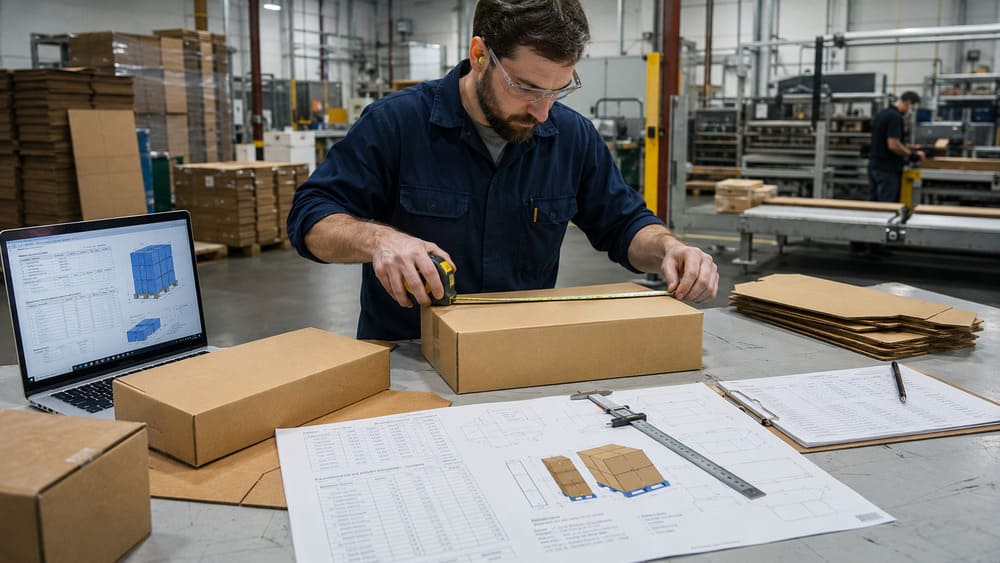
A product can be in stable production while hidden packaging inefficiencies continue to increase transportation costs. This master carton optimization case study shows how engineering evaluation helps buyers identify carton space waste and improve shipment efficiency before production changes are made.
Table of Contents
Real Master Carton Optimization Case Study: Identifying Hidden Freight Waste
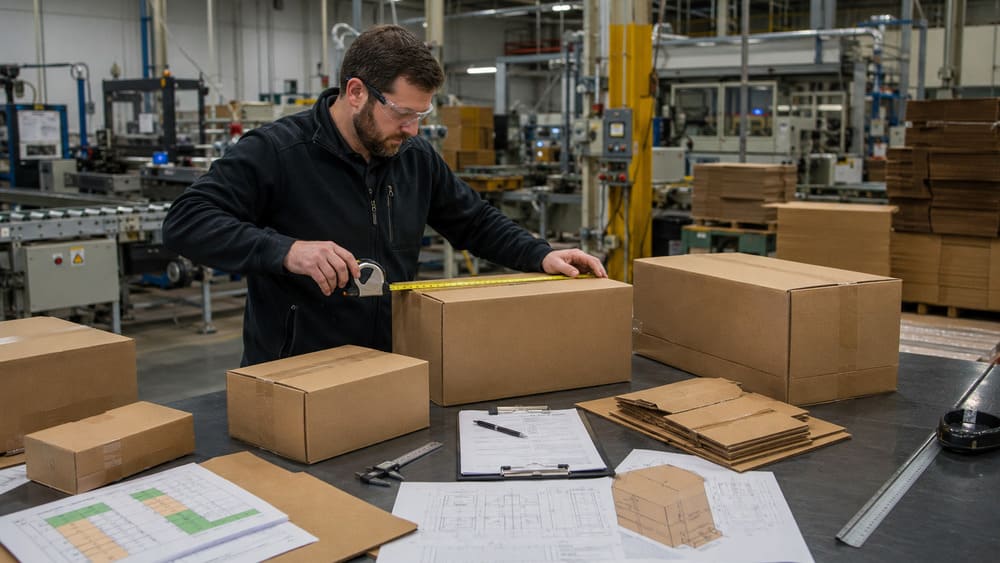
A typical master carton optimization case begins when a product is already in stable production, but freight costs remain higher than expected.
The packaging meets production requirements, but engineering evaluation reveals potential space inefficiencies caused by carton dimensions, product arrangement, or loading configuration during shipment. Understanding how carton dimensions affect freight cost is the first step in identifying potential optimization opportunities.
The goal is to identify hidden freight waste and improve shipment efficiency without compromising product protection.
The Initial Packaging Challenge: High Freight Cost Despite Stable Production
In this scenario, the issue is not product manufacturing.
The product quality and production process are stable, but the existing master carton configuration may create unnecessary transportation costs.
The packaging review identifies possible causes:
- Oversized master cartons;
- Inefficient product arrangement;
- Excessive unused space;
- Poor container utilization.
The key question is:
Is the current carton configuration using available shipment space efficiently?
Buyer Decision Point
Before approving carton optimization changes, buyers should verify:
- Whether carton dimensions are necessary for product protection;
- Whether unused space exists during carton packing or container loading;
- Whether optimization opportunities have been evaluated through engineering review.
The objective is not to create the smallest carton. It is to achieve better space efficiency while maintaining product protection and transportation reliability.
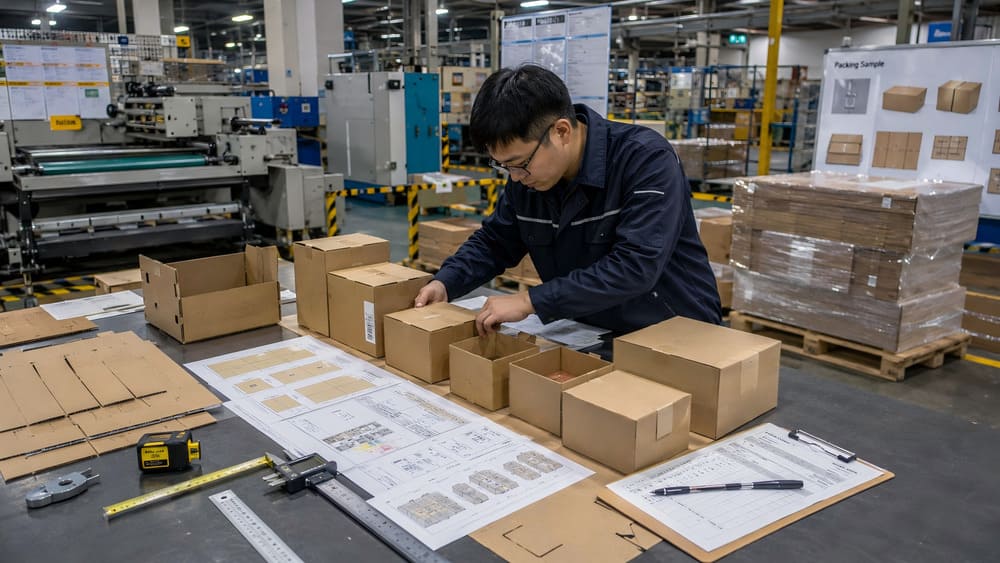
Why Carton Configuration Became a Supply Chain Cost Factor
Master carton configuration directly influences shipment efficiency through:
- Units packed per carton;
- Overall shipment quantity;
- Container utilization;
- Freight efficiency per unit.
A carton that works well for production may still create logistics inefficiency if its dimensions and loading arrangement are not evaluated together.
Engineering Insight
The smallest carton is not always the best carton. Effective master carton optimization requires balancing:
- Space utilization;
- Product protection;
- Carton strength;
- Transportation reliability.
How CBM Analysis Revealed Container Space Inefficiency
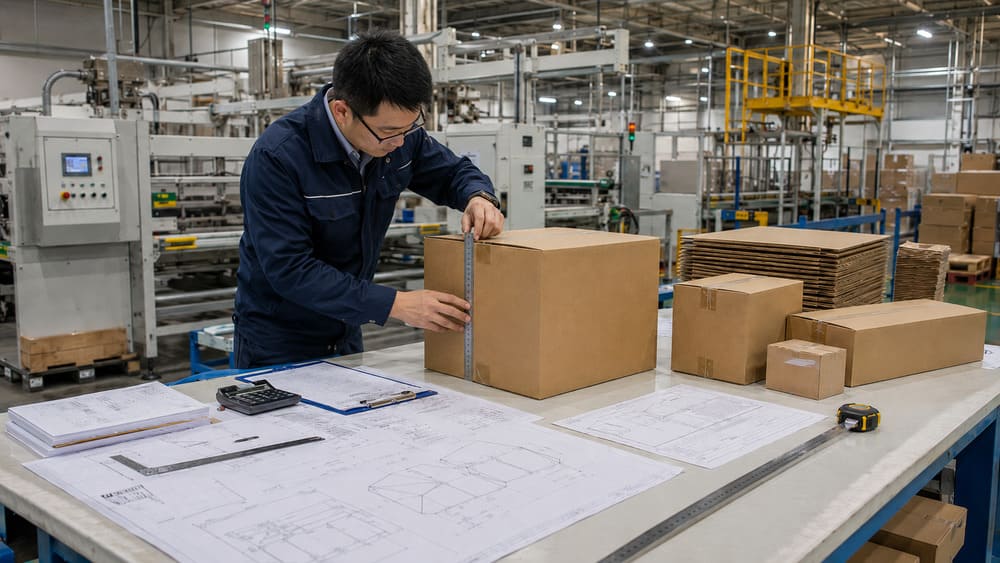
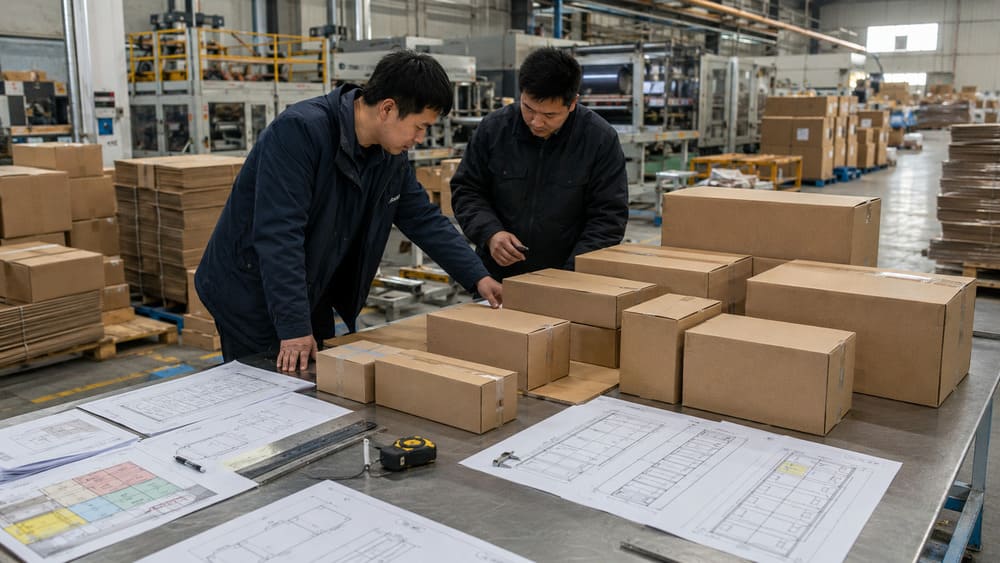
CBM analysis helps identify whether current master carton dimensions are creating unnecessary shipment space waste. The goal is not simply to calculate volume, but to determine whether carton design, product arrangement, or loading method limits shipping efficiency before packaging changes are made.
Step 1: Reviewing Current Carton Volume
The first engineering review looks at how much space each master carton uses during shipment.
The evaluation starts with carton volume assessment:
Length × Width × Height
The evaluation follows three steps:
Current carton dimensions → CBM per carton → Total shipment volume requirement.
This helps buyers understand whether the current carton size may be creating hidden transportation waste. Understanding how carton dimensions affect freight cost helps buyers identify whether optimization opportunities exist.
A carton that works well for production may still use shipping space inefficiently.
Comparing Loading Efficiency Against 40HQ Capacity
The next step compares actual shipment volume with the theoretical capacity of a 40HQ container.
Container Utilization Rate = Actual Loaded Volume / Theoretical Container Capacity
For this evaluation, the theoretical internal dimensions of a 40HQ container are:
11.93 * 2.3 * 2.6 meters (71.34 CBM)
In this specific case study, the initial master carton configuration only allowed for 60.2 CBM to be loaded, resulting in an 84.3% utilization rate. This meant the buyer was paying to ship nearly 15% empty air.
After adjusting the carton dimensions and loading arrangement, the optimized configuration successfully loaded 68.39 CBM, pushing the utilization rate to an exceptional 95.8%.
This comparison quickly identifies whether the current carton configuration is creating hidden logistics waste before mass production decisions are made.
Applying Engineering Utilization Benchmarks for Optimization Decisions
Container utilization should not be judged by one number only.
Klong uses a layered engineering review approach:
Below 85% — Requires engineering review
Potential causes:
- Carton dimensions;
- Product arrangement;
- Loading configuration.
85%-90% — Optimization opportunity zone
Further improvement may exist.
90%-95%
Target efficiency range.
Higher utilization should be achieved while maintaining:
- Product protection;
- Carton strength;
- Transportation reliability.
These ranges are engineering references, not fixed industry standards.
The goal is not to reach a specific percentage, is to achieve the best practical space efficiency based on real packaging conditions. This approach is also used in packaging space optimization reviews for improving container utilization.
Engineering Insight
High container utilization does not always mean better packaging performance.
The best optimization decision balances:
- Space efficiency;
- Product protection;
- Carton strength;
- Transportation reliability.
Engineering Optimization: Improving Master Carton Configuration Without Increasing Risk
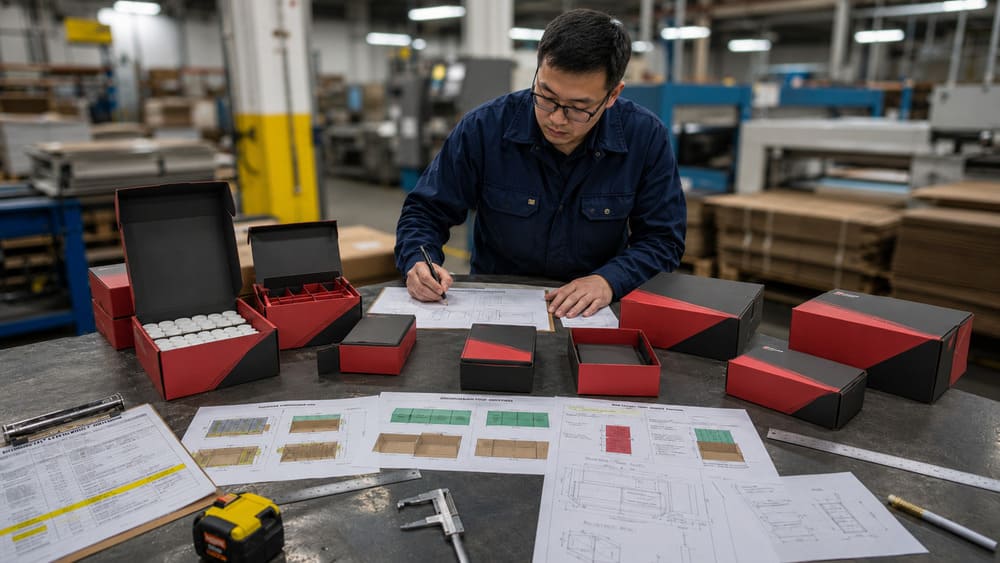
When a carton shows poor space utilization, we do not immediately change the carton size. We first identify where the space loss is coming from, including product arrangement, carton configuration, or carton dimensions.
The goal of master carton optimization is to improve shipment efficiency without creating new packaging risks.
Identifying the Root Cause of Space Waste
Space waste does not always come from the carton itself.
During an engineering review, we check:
- Product orientation and arrangement inside the carton;
- Units packed per carton and loading configuration;
- Carton dimensions and unused space.
In many projects, improving product arrangement is the simplest and lowest-risk adjustment.
For example, changing product orientation along the length, width, or height direction may help the carton better match shipment space requirements.
If further improvement is still needed, we then evaluate whether carton dimensions should be adjusted.
Optimizing Carton Configuration for Better Efficiency
The optimization process usually follows this order:
- Review product arrangement first;
- Adjust carton configuration if needed;
- Modify carton dimensions when necessary;
- Validate the final packing method.
The purpose is to remove unnecessary space while maintaining packaging performance. This approach follows the same principles used in master carton optimization, where carton efficiency is improved while maintaining packaging performance.
A practical optimization considers:
- Product protection;
- Carton strength;
- Shipment requirements;
- Space utilization.
Changing carton dimensions too early may create unnecessary changes to the existing packing method and require additional validation.
Buyer Decision Point
Before approving a carton optimization change, buyers should confirm:
- The source of space waste has been identified;
- The proposed change solves the actual problem;
- Product protection and shipment reliability remain acceptable.
Validating Packaging Performance After Optimization
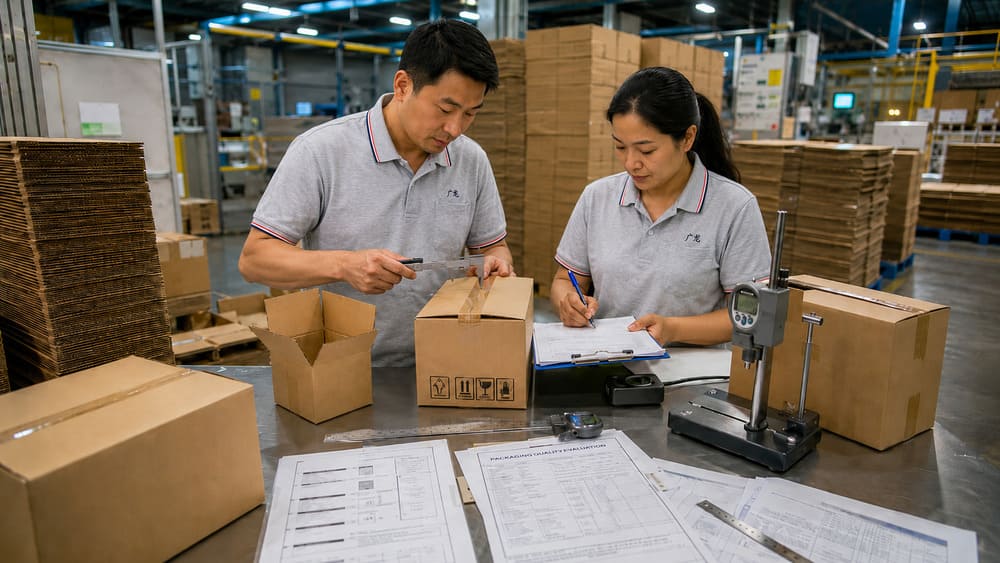
After optimization, engineers compare the new packing method with the original approved packing method.
If changes affect:
- Carton dimensions;
- Product arrangement;
- Carton quantity;
- Loading method;
If these changes affect packaging performance, additional validation may be required before mass production.
Packaging space optimization requires balancing improved utilization with reliable packaging performance.
The validation confirms:
- Product safety;
- Carton strength;
- Stacking performance;
- Transportation reliability.
Engineering Insight
The best optimization is not the smallest carton.
It is the carton configuration that improves shipment efficiency without creating new risks during production, handling, or transportation.
FAQ: Master Carton Optimization Case Study Questions
Buyers often ask how master carton optimization is evaluated, when carton changes are needed, and how packaging risks are controlled before production.
What is a master carton optimization case study?
A master carton optimization case study shows how engineers identify the cause of space waste and determine the right packaging improvement approach before production changes are made. It focuses on carton efficiency, product arrangement, shipment utilization, and packaging reliability.
How does carton optimization reduce freight cost?
Carton optimization reduces freight cost by improving shipment space utilization. By reviewing carton dimensions, product arrangement, and loading efficiency, engineers can identify unnecessary space waste and improve container space utilization.
How do you calculate CBM for a master carton?
CBM is calculated as Length × Width × Height. In packaging optimization, CBM helps engineers evaluate how much shipping space a carton occupies before deciding whether improvement is needed.
How do you estimate master carton loading efficiency in a 40HQ container?
Master carton loading efficiency is estimated by comparing actual loaded volume with theoretical container capacity. The evaluation also considers carton dimensions, product orientation, loading arrangement, and available container space.
Does reducing carton size always improve container utilization?
No. A smaller carton does not always create better utilization. Effective optimization must balance space efficiency with product protection, carton strength, and transportation reliability.
Do carton optimization changes need validation before mass production?
Carton optimization changes may require validation when they affect the approved packing condition. Changes to carton dimensions, product arrangement, carton quantity, or loading method should be reviewed before mass production.
Check Your Packaging Cost and Shipping Risks Before Production
Your packaging may look ready for production, but hidden space waste and inefficient carton decisions can increase shipping costs and supply chain risks.
Every inch of empty container space is money subtracted directly from your profit margin. Don’t pay to ship empty air. Download the checklist to uncover hidden freight waste and fix your carton dimensions before locking in mass production.