
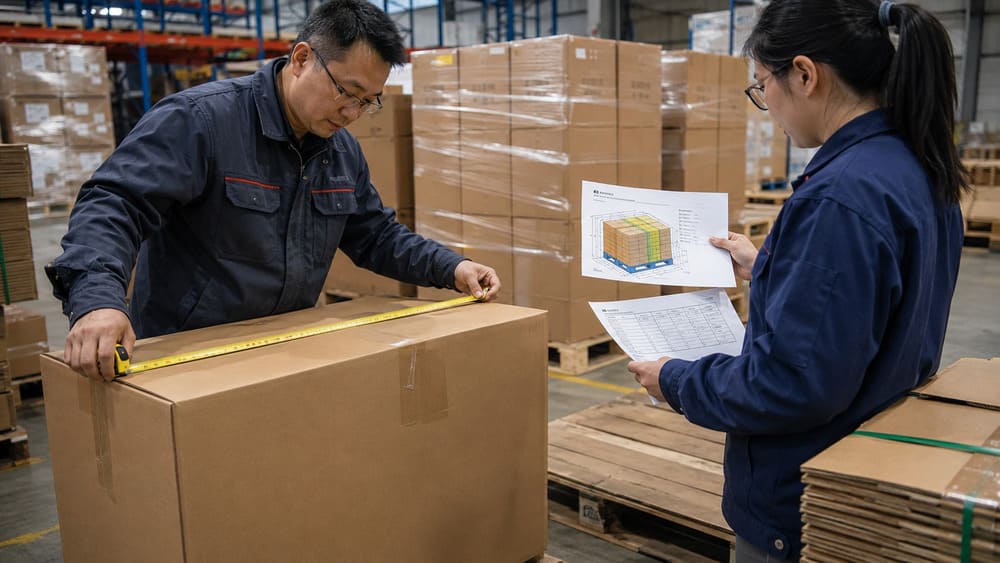
A carton can look acceptable on a quotation sheet but still create unnecessary supply chain costs after production.
Many brands focus on carton price and freight rates, while overlooking a hidden cost driver: outer carton dimensions. Poor carton sizing can reduce loading efficiency, increase handling challenges, and raise total landed cost.
The key is reviewing carton dimensions before production decisions lock in unnecessary logistics costs.
Table of Contents
Why Master Carton Size Is a Hidden Driver of Freight Cost
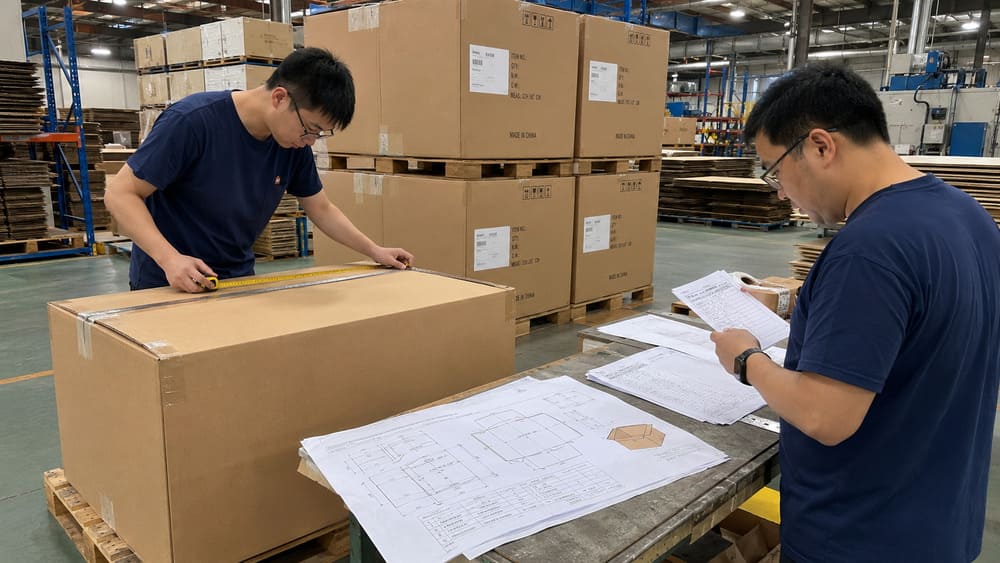
Master carton size is often treated as a packaging detail, but it can directly influence transportation cost and supply chain efficiency.
Many companies review carton price and freight rates separately, while overlooking a factor that affects both: outer carton dimensions. A carton that uses space inefficiently can increase unused shipping space, reduce loading efficiency, and raise freight cost per unit.
The challenge is that these costs are often created before the shipment begins. Reviewing carton dimensions early helps prevent avoidable logistics costs from becoming fixed.
The Hidden Cost of Poor Carton Dimension Planning
Many packaging cost issues start before the first shipment leaves the factory.
Outer carton dimensions influence:
- Shipping space utilization
- Freight cost allocation
- Units packed per carton
- Warehouse handling efficiency
A carton with unnecessary empty space may require more shipping capacity without adding product value.
Buyer Decision Point
The lowest carton purchase price does not always create the lowest total cost. Packaging decisions should be evaluated based on total landed cost.
Supply chain teams should evaluate:
Carton Price → Total Landed Cost
Optimizing Carton Size Requires Balancing Protection and Space Efficiency
Master carton optimization is not about making cartons as small as possible.
Reducing carton size without considering product requirements can create protection and handling risks.
The right carton dimension should balance logistics efficiency with product protection:
- Product protection requirements
- Space utilization
- Shipping efficiency
Key factors include:
- Product dimensions
- Product weight
- Quantity per carton
- Distribution requirements
Engineering Insight
The goal of master carton optimization is not the smallest carton.
It is the most efficient balance between: Protection Requirements + Space Utilization + Freight Cost. Reviewing these factors before production helps prevent avoidable logistics costs before shipment begins.
What Should Be Optimized in Master Carton Design?
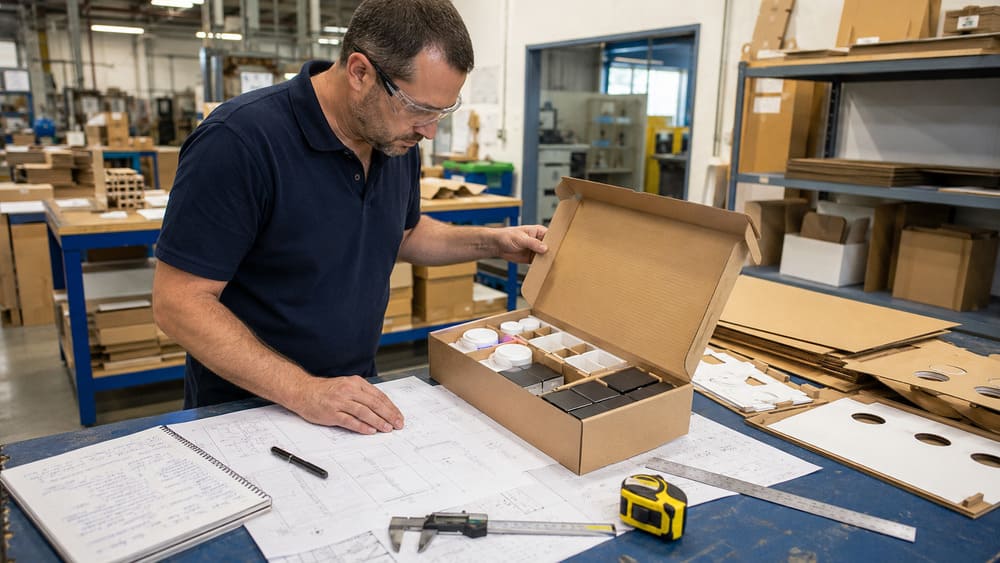
Master carton design affects shipping cost, loading efficiency, and product protection. Before mass production, carton dimensions and configuration should be reviewed through a packaging DFM review to avoid unnecessary freight costs, shipment issues, and handling risks.
A proper review should focus on three areas:
- Carton dimensions and product arrangement
- Container loading efficiency
- Protection requirements
Carton Dimensions and Product Arrangement
Carton dimensions directly affect how efficiently products are packed and shipped.
Key factors to review:
- Carton length, width, and height
- Product orientation
- Units per carton
- Internal arrangement efficiency
The goal is not to make cartons as small as possible, but to reduce unnecessary empty space while maintaining efficient packing.
Buyer Check:
Does the carton use available space efficiently without creating avoidable volume?
For large-scale distribution programs, carton dimensions may also need to consider palletization efficiency after arrival to reduce handling and warehouse space issues.
Carton Quantity and Container Loading Efficiency
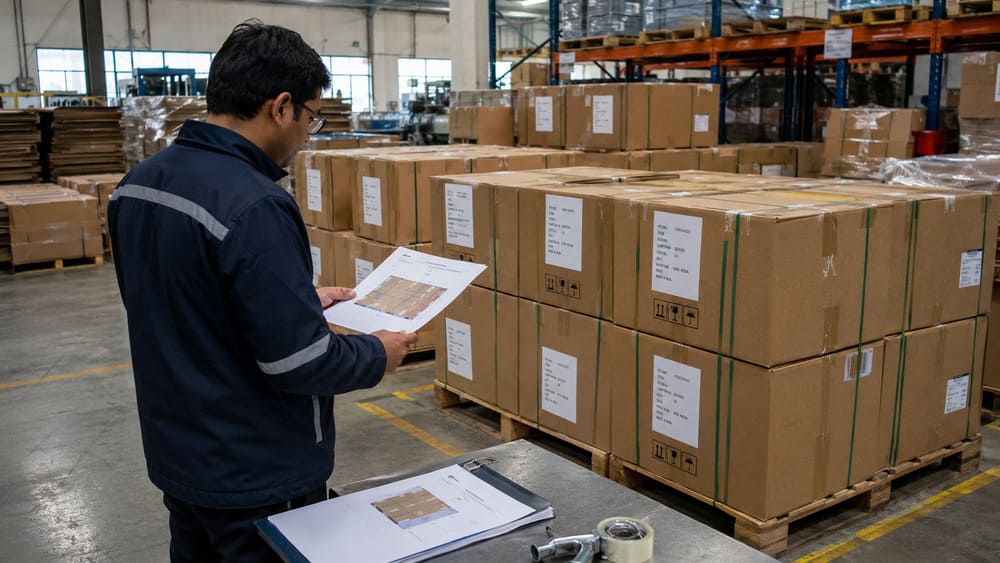
The number of units per master carton affects shipment efficiency and freight allocation. Reviewing container loading efficiency helps identify potential space utilization issues before production.
Key factors to review:
- Units per master carton
- Carton stacking logic
- Container space utilization
- Shipment requirements
Inefficient carton configuration may reduce loading efficiency and increase the number of shipments required.
Before production approval, master carton optimization should be evaluated based on shipment efficiency, container utilization, and the impact on total landed cost.
- Shipment efficiency
- Container utilization
- Freight cost impact
The objective is not simply reducing carton size, but improving transportation efficiency through better carton configuration.
Protection Requirements and Transportation Reliability
Carton optimization should not compromise product safety during transportation.
Key factors to review:
- Product weight
- Stacking requirements
- Distribution conditions
- Transportation risks
A carton design that focuses only on space efficiency may create damage or handling risks later.
The right solution balances:
Space Efficiency + Protection Performance + Logistics Reliability
Engineering Insight
Master carton optimization requires engineering review before production approval.
Early review allows carton dimensions and structure to be adjusted before production decisions become difficult to change.
How Master Carton Optimization Improves Supply Chain Efficiency
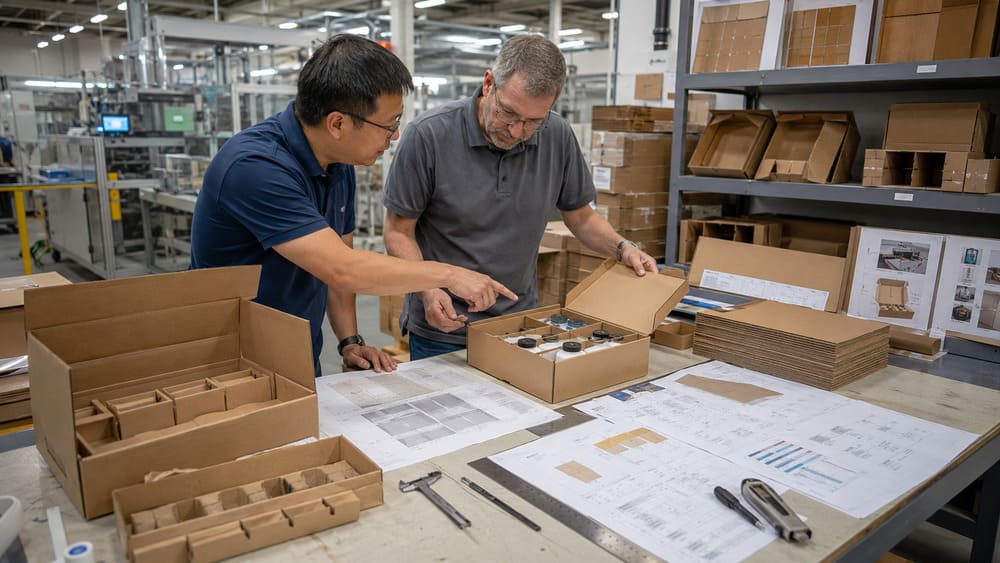
Poor master carton design can create hidden supply chain costs through wasted shipping space, inefficient shipments, additional shipments, and avoidable handling issues.
Master carton optimization helps identify these risks before production and improve shipment efficiency through better packaging decisions.
Improving Container Loading Efficiency
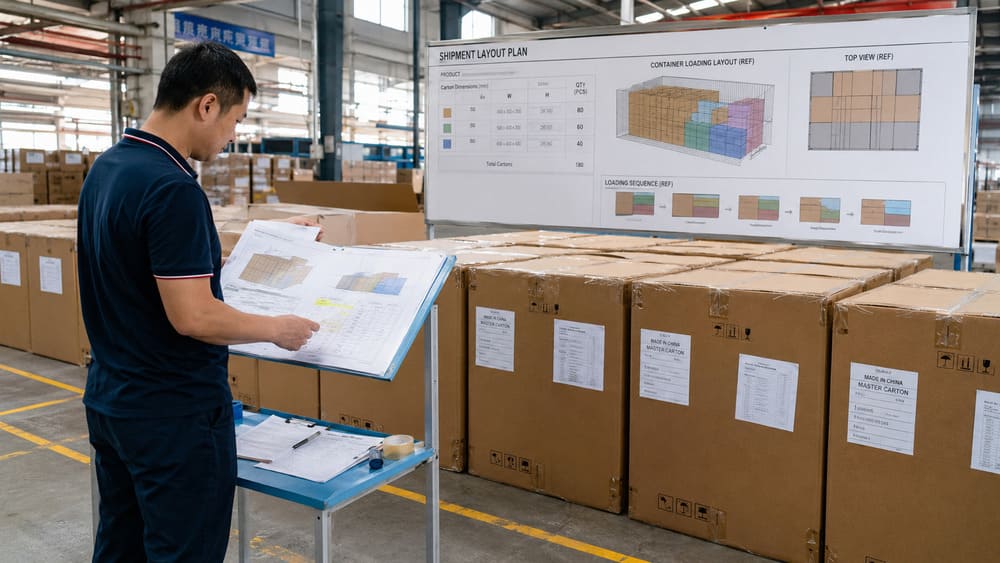
Optimized carton dimensions can improve:
- Available container space usage
- Shipment efficiency
- Freight cost allocation
However, carton optimization is not simply about filling more space. The goal is to improve container utilization without compromising:
- Product protection
- Handling efficiency
- Transportation reliability
To support this evaluation, Klong Packaging Space Efficiency Framework is an engineering review approach that evaluates carton design from four perspectives:
- Carton geometry
- Product arrangement
- Space utilization
- Transportation requirements
For example, when calculating actual loaded volume against a theoretical 40HQ container (11.93 x 2.3 x 2.6m), utilization should never drop below an 85% benchmark. While 90% to 95% is achievable for optimized high-volume orders, falling below 85% indicates severe space waste that requires immediate carton redesign. Early engineering review helps identify these potential loading issues before they affect shipment planning.
Reducing Total Landed Cost Through Packaging Optimization
Packaging decisions affect more than the initial carton purchase price.
Total landed cost may include:
- Packaging cost
- Freight cost
- Handling cost
- Damage-related cost
A lower carton price does not always create a lower total cost if it increases freight, handling, or damage-related costs.
Buyer Decision Point
Packaging decisions should consider transportation impact, not only carton purchase price.
When Should Brands Review Master Carton Dimensions?
Master carton dimensions should be reviewed before tooling, production, and shipment decisions are finalized.
Common review scenarios include:
- New product launch
- Packaging redesign
- Supplier change
- Freight cost increase
- New shipping route
- Container utilization problems
Early packaging DFM review helps identify design and manufacturing risks before production changes become difficult or expensive.
FAQ: Master Carton Optimization Questions Buyers Ask
Master carton optimization improves carton dimensions, product arrangement, and shipping efficiency while maintaining product protection. These FAQs answer common buyer questions before approving master carton designs.
What is master carton optimization?
Master carton optimization is the process of improving outer carton dimensions, product arrangement, and packing efficiency to achieve better shipping performance while maintaining product protection.
It helps buyers identify unnecessary space waste, handling issues, and transportation risks before production decisions are finalized.
How does carton size affect freight cost?
Carton size affects freight cost by influencing shipping space utilization, container efficiency, and shipment requirements.
Larger-than-needed cartons may create unused shipping space and increase freight cost per unit. However, reducing carton size without proper evaluation may create product protection or handling issues.
Does a smaller carton always reduce shipping cost?
No. A smaller carton does not always reduce shipping cost because carton optimization requires balancing space efficiency, product protection, and transportation requirements.
The goal is not to create the smallest carton, but to achieve the most efficient packaging solution for shipping and handling.
How does carton optimization improve container loading efficiency?
Carton optimization improves container loading efficiency by improving carton dimensions, product arrangement, and available shipping space usage.
A proper evaluation considers carton geometry, quantity per carton, product orientation, and transportation requirements to reduce inefficient space usage and support better shipment planning.
What factors should be considered when designing a master carton?
Key factors for master carton design include product dimensions, product weight, quantity per carton, protection requirements, and transportation conditions.
A proper carton review should consider product arrangement, space utilization, stacking requirements, and distribution needs to improve packaging efficiency without compromising product safety.
Check Your Packaging Cost and Shipping Risks Before Production
Master carton optimization is not simply about reducing carton size.
It is about identifying hidden costs and shipping risks caused by inefficient carton dimensions, poor space utilization, or packaging decisions made before production.
Use the Packaging Cost & Shipping Risk Checklist to review:
- Carton dimension efficiency
- Shipping space utilization
- Hidden logistics and handling costs
- Packaging risks before production approval
Don’t pay to ship empty air. Download the checklist to identify hidden space waste and reduce your freight costs before mass production.